Cooking Management Template
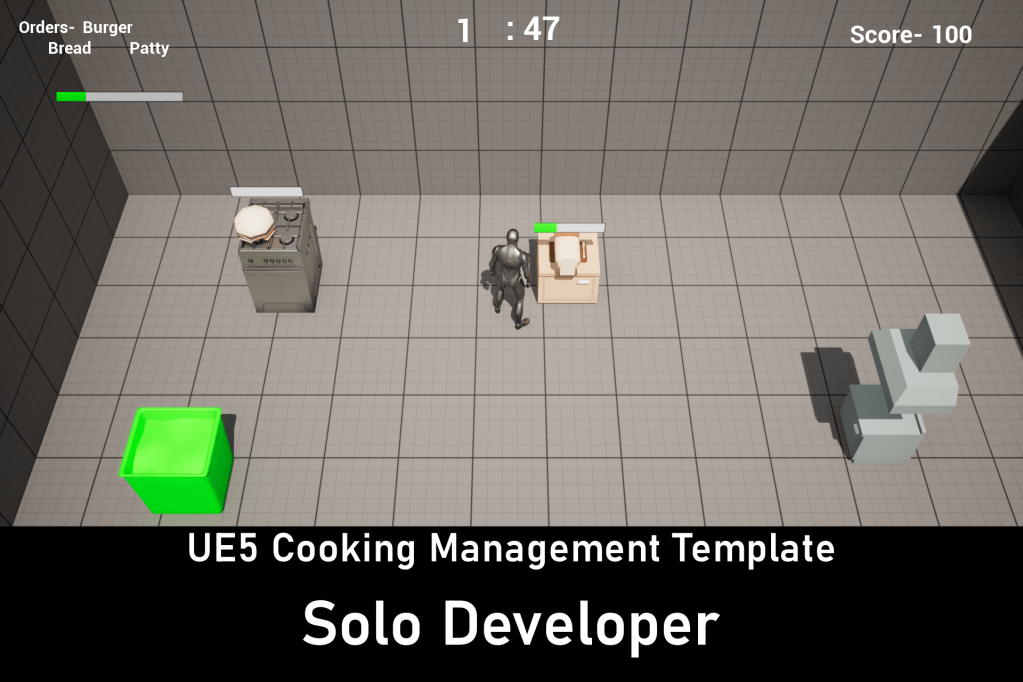
UE5 Project Template- Template for games like Overcooked and PlateUp
University Project 2022-23, Independently Developed by myself
Download the game here
Software I Used




My Roles
As the Lead Game and Level Designer, my responsibilities included-
• Designing the Product to satisfy the requirements of the Target Audience
• Blueprinting the functionality of all features of the Template
• Commenting, Structuring and Organising all Blueprints and Nodes
• Establishing and Maintaining a clear structure and naming convention for all Folders, Assets and Variables
• Documenting Pre-Production Planning, Development Progress and Market Research of my product
• Conducting multiple forms of thorough User Testing of the Template, throughout all stages of development
Walkthrough
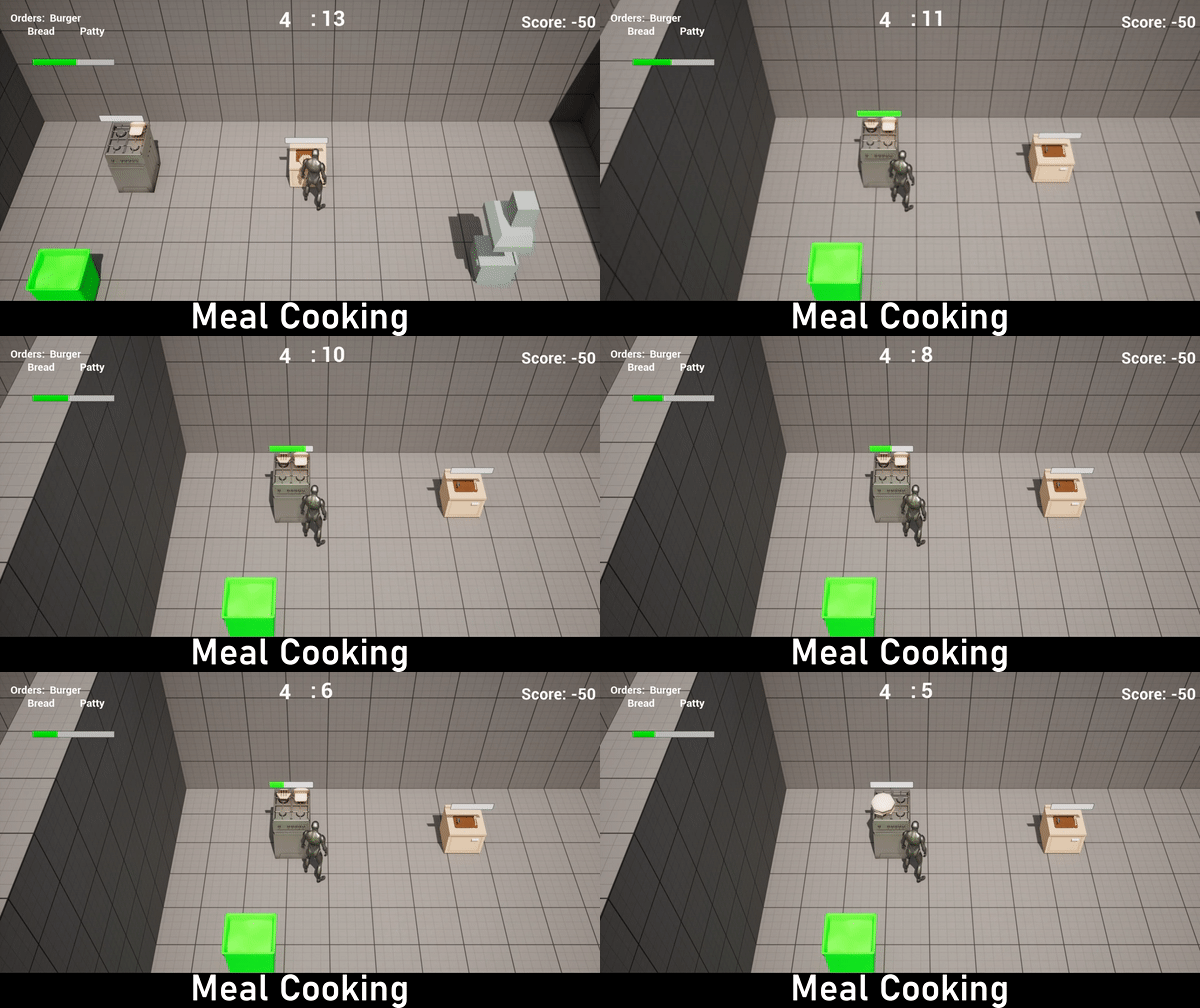
Screenshots



Visual Scripting
I programmed the entirety of the project utilising Unreal Engine 5’s Blueprints. I ensured that throughout the development of the project, I ensured all nodes were presented and aligned neatly with one another, all code would be grouped appropriately commented explaining what each does and all assets, variables and functions were named using appropriate conventions.
Blueprinting of the project can be categorised into the following 3 areas-
Customer, Appliances and Ingredients
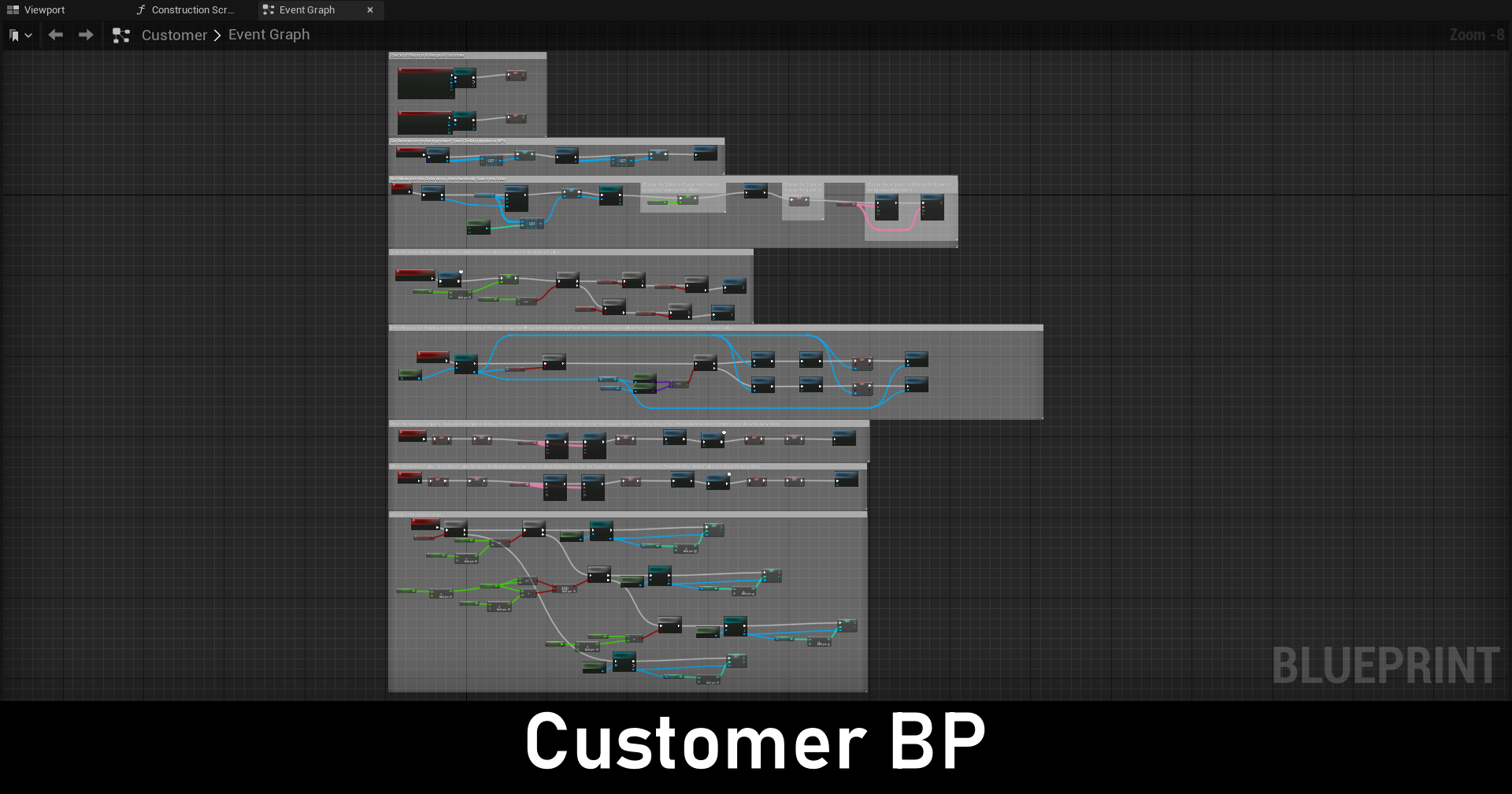


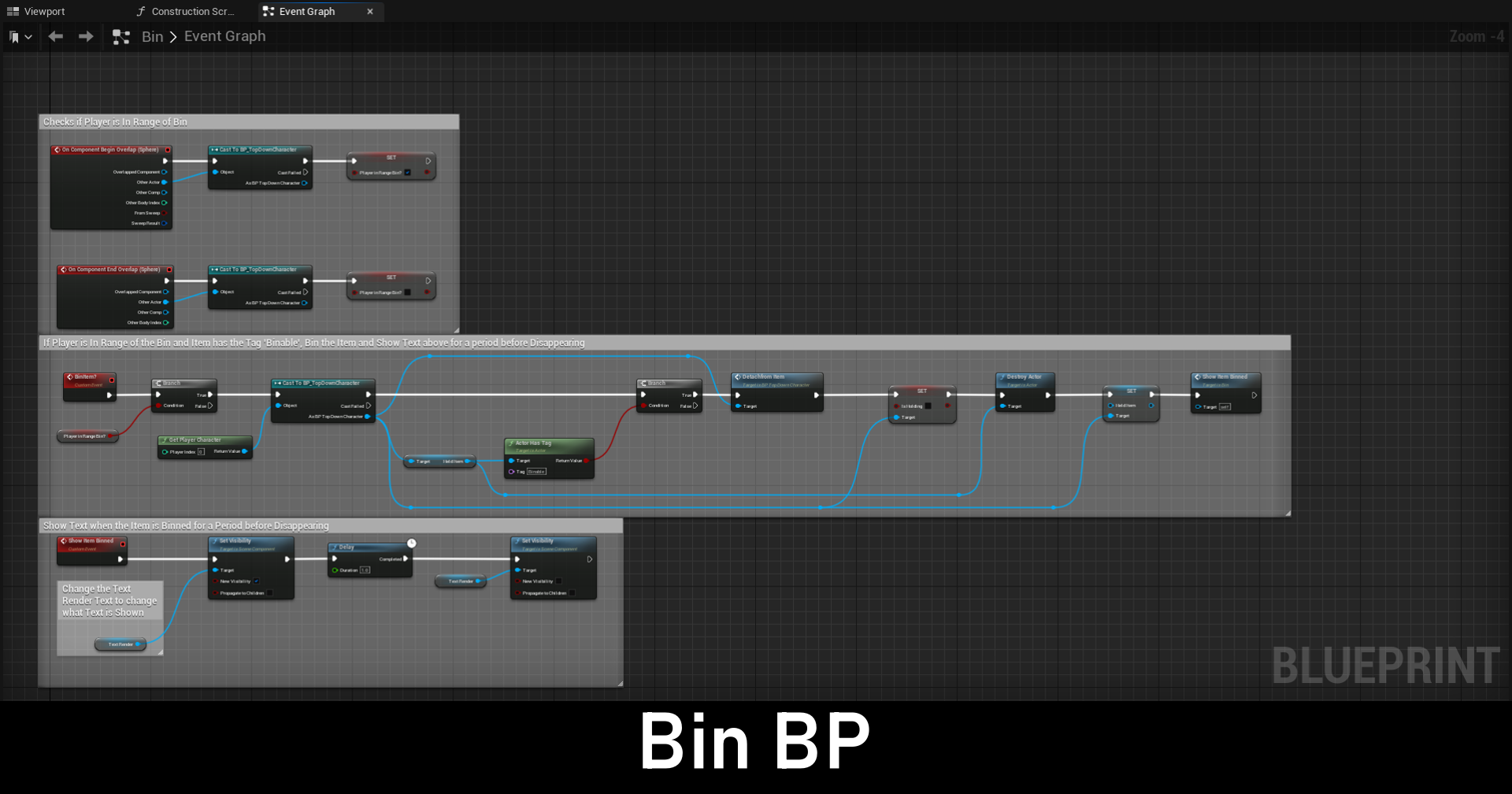
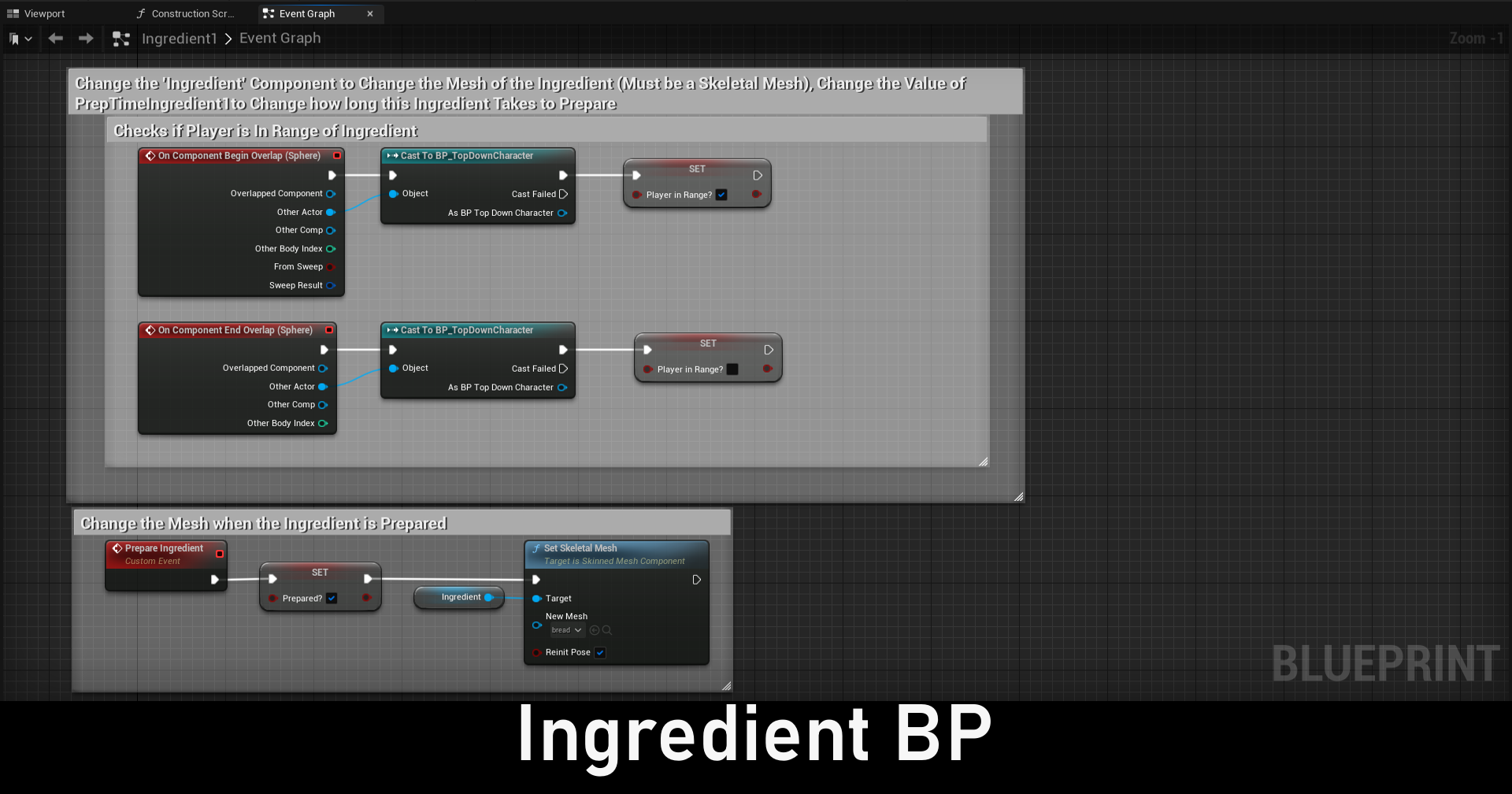
The Customer, Appliances and ingredients comprise the central mechanics of the product which I researched and deemed in my Literature Review, Technical Investigation and User Requirements Research to be core features of games of the Cooking Management Games genre. Features that were created in this area include the Cooking, Preparation and Bin Appliances, the Customer/Serving Hatch and the Ingredients. Each system works in tandem with one another to allow players to Prepare, Cook and Serve meals with customisable values within the blueprints that allow users to change and tweak these systems however they see fit whether it’s importing their own custom meshes for Ingredients and Appliances, setting how long each ingredient takes to be prepared and cooked and which meals the customer will Order.
Character and Gamemode

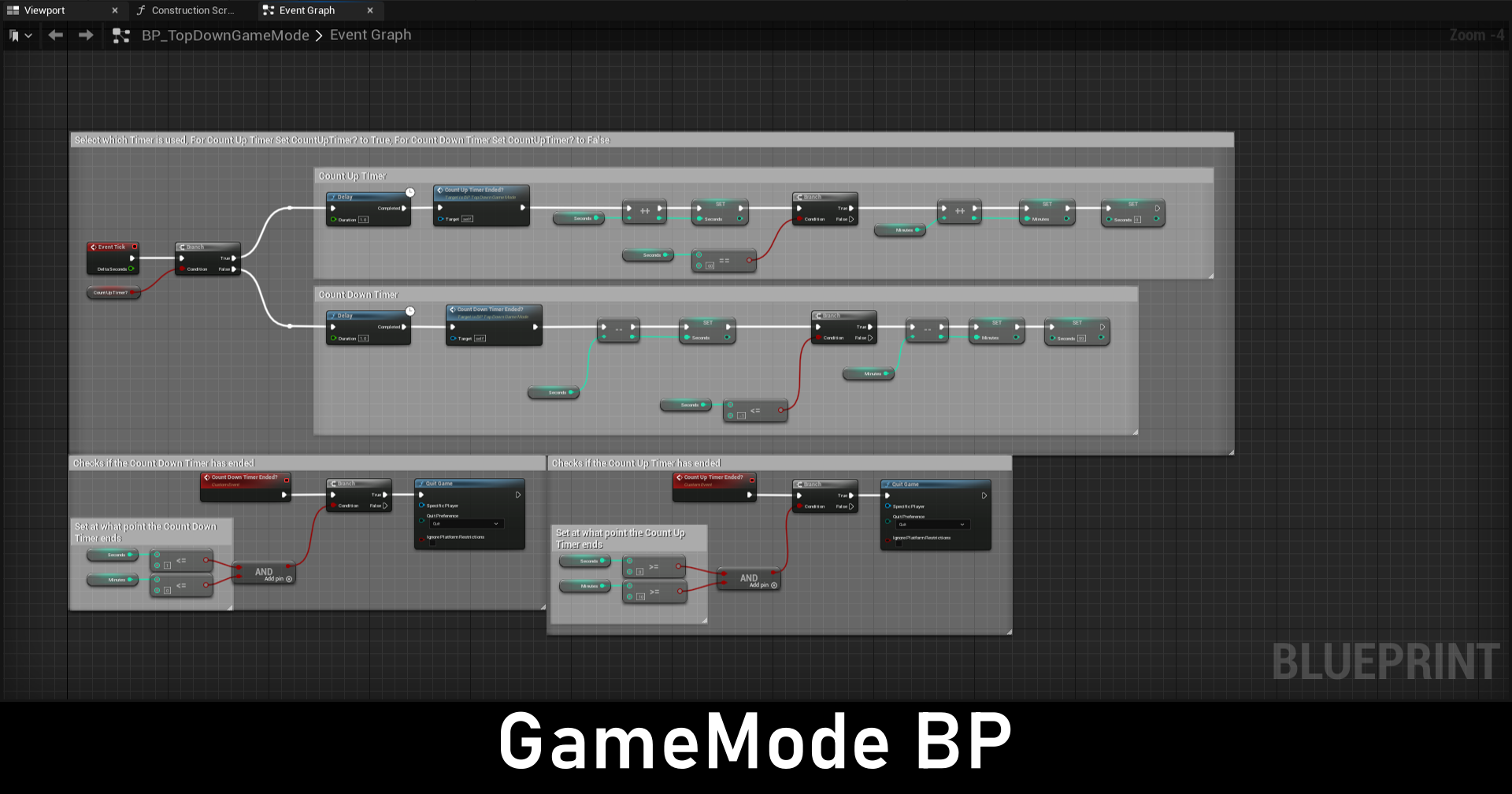
The Player character held key systems such as 8 Diredctional Movement, Interacting and Picking Up and Dropping. The GameMode on the other hand stored the logic for the game timer. This timer could be customised by users, setting how long the timer would be, at what time they wanted the level to end and which type of timer they wanted, either a Count-Up Timer or a Count-Down Timer.
UI
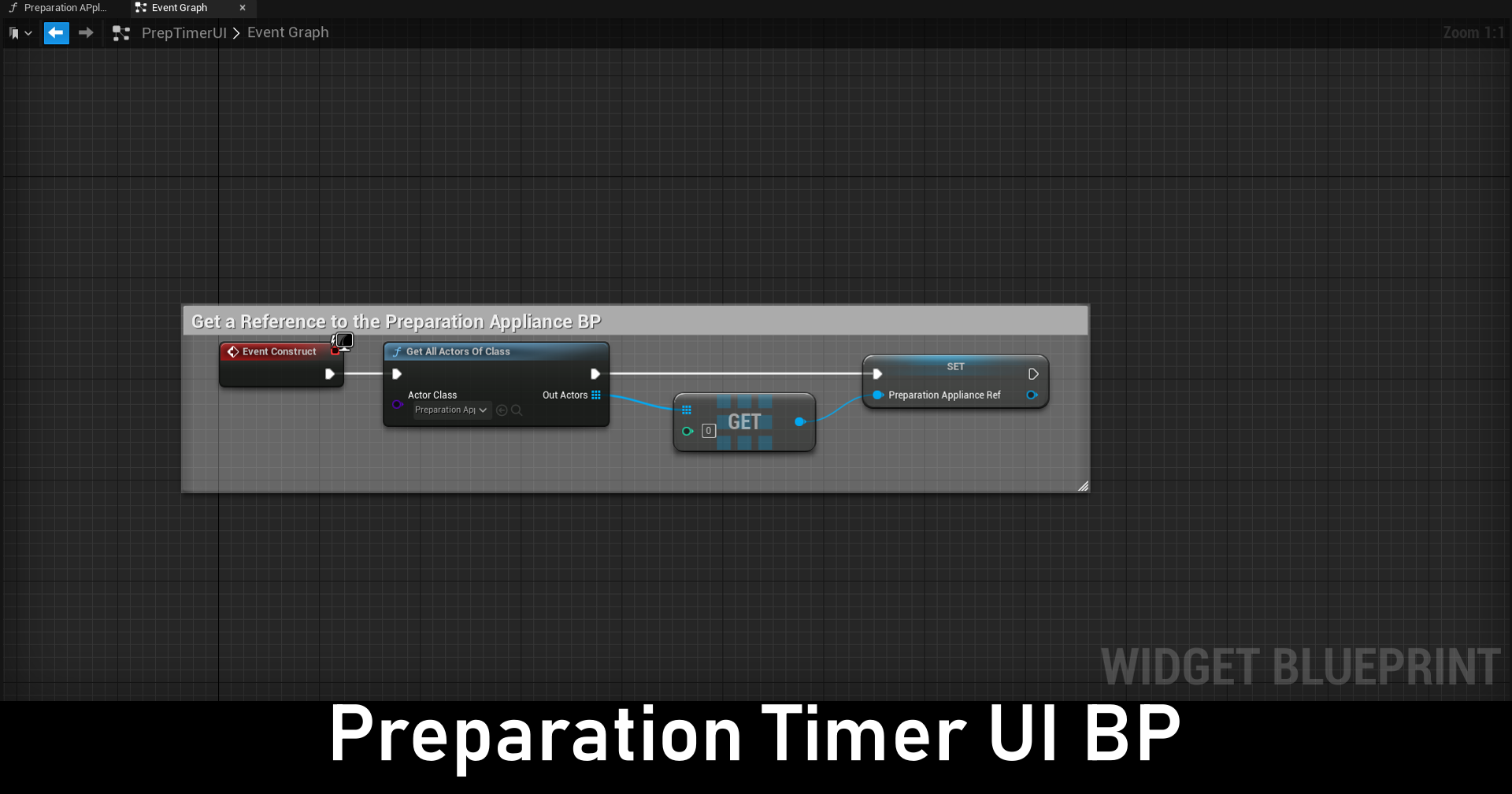
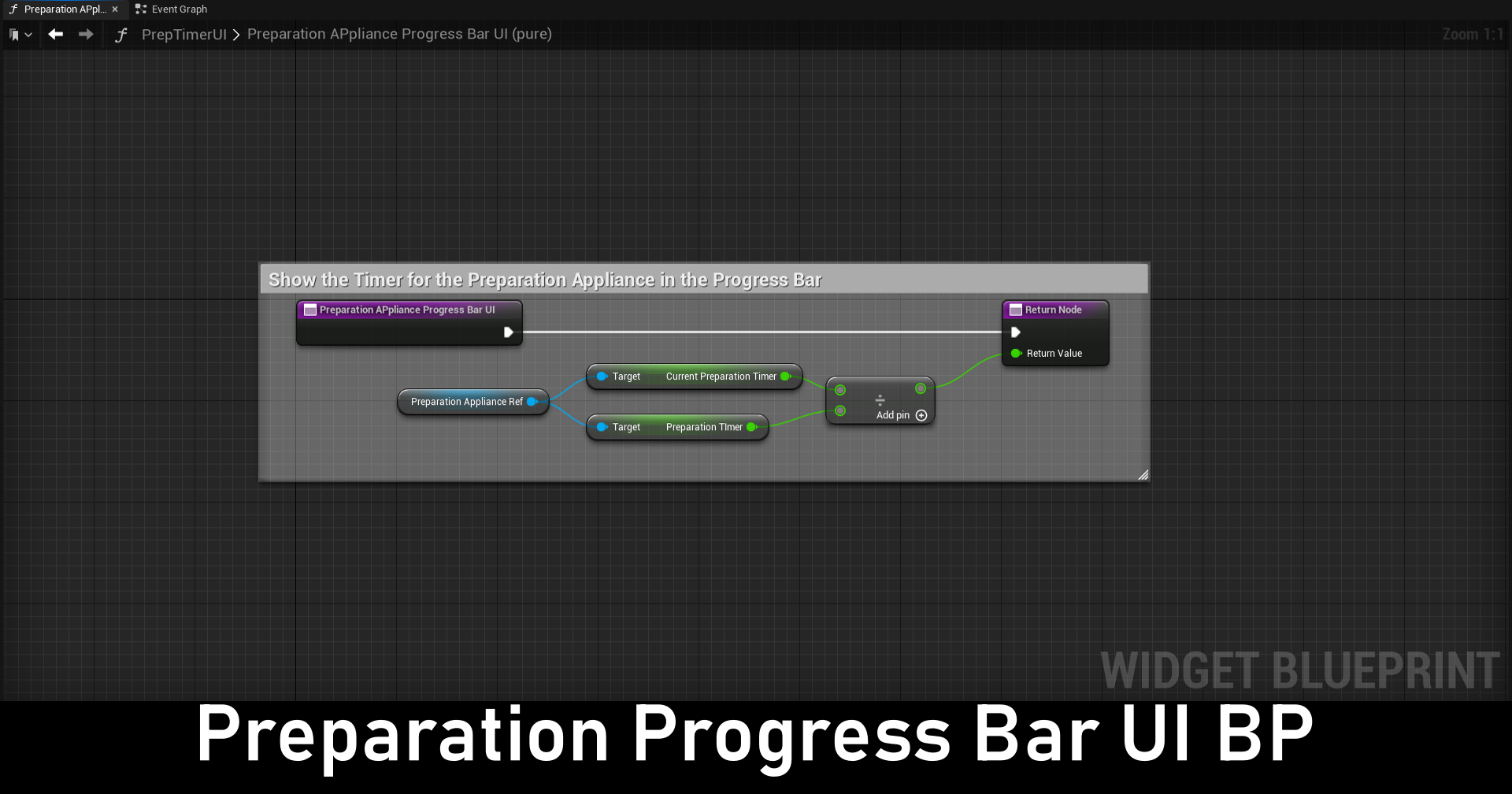
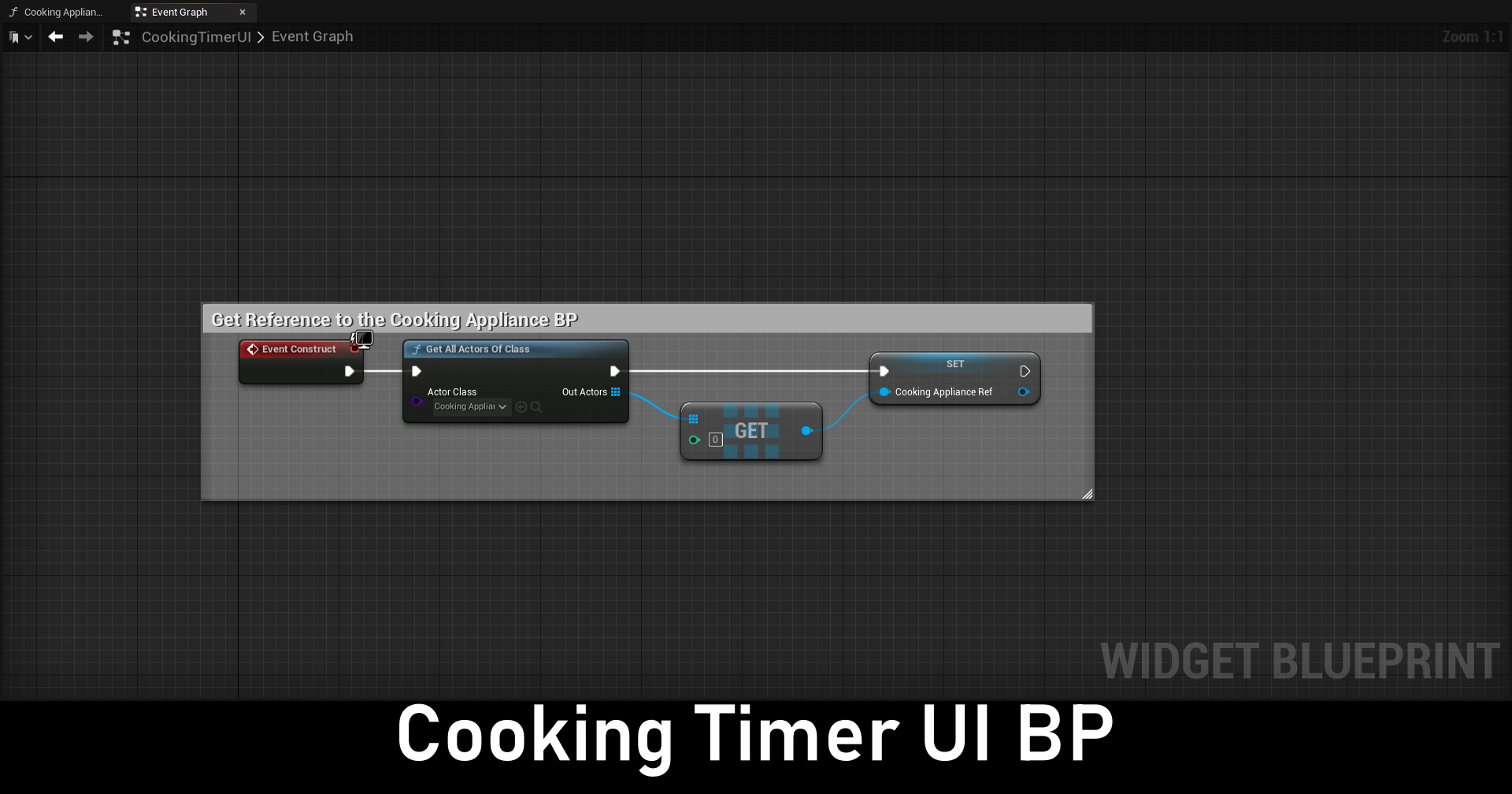
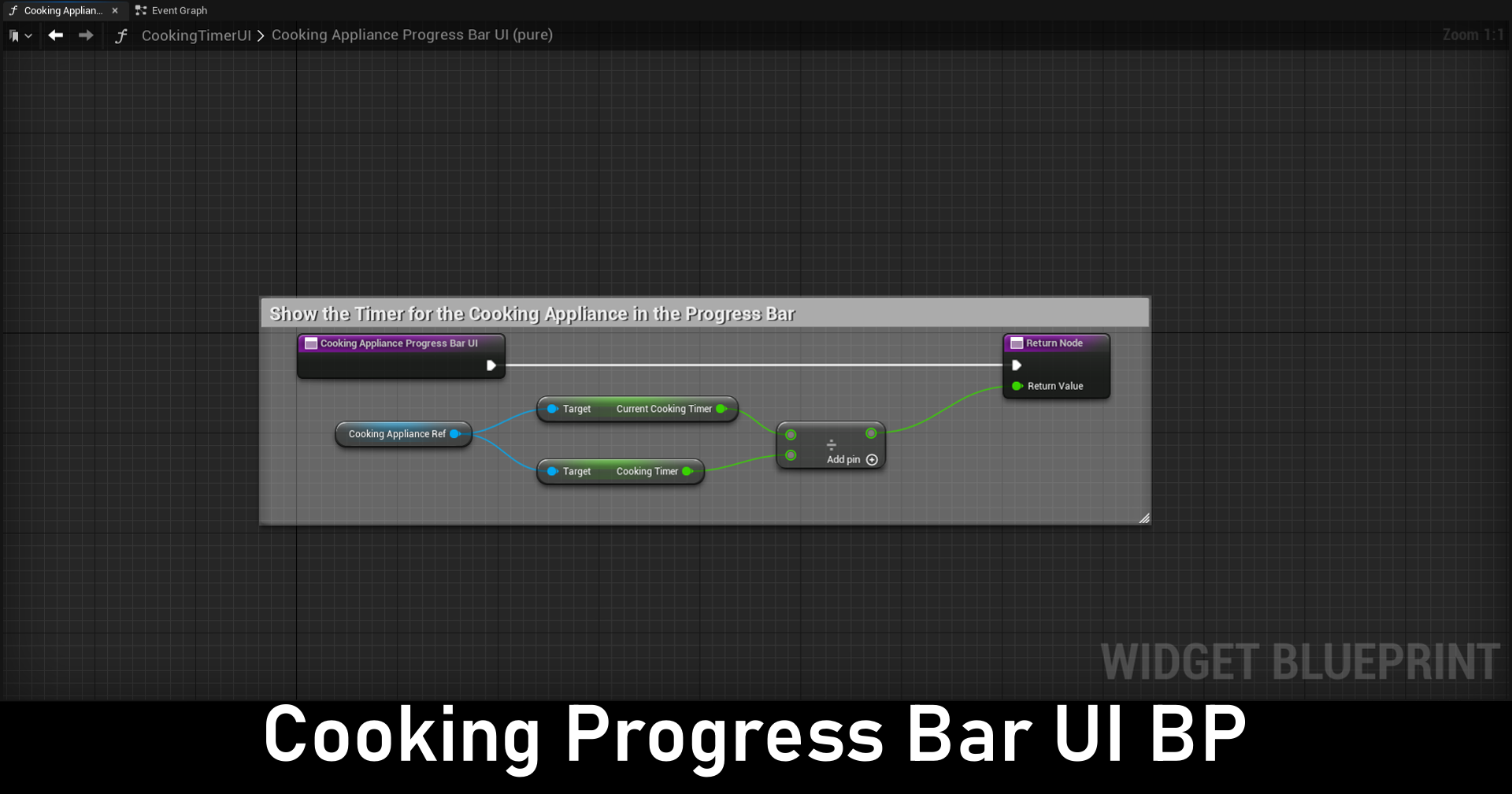
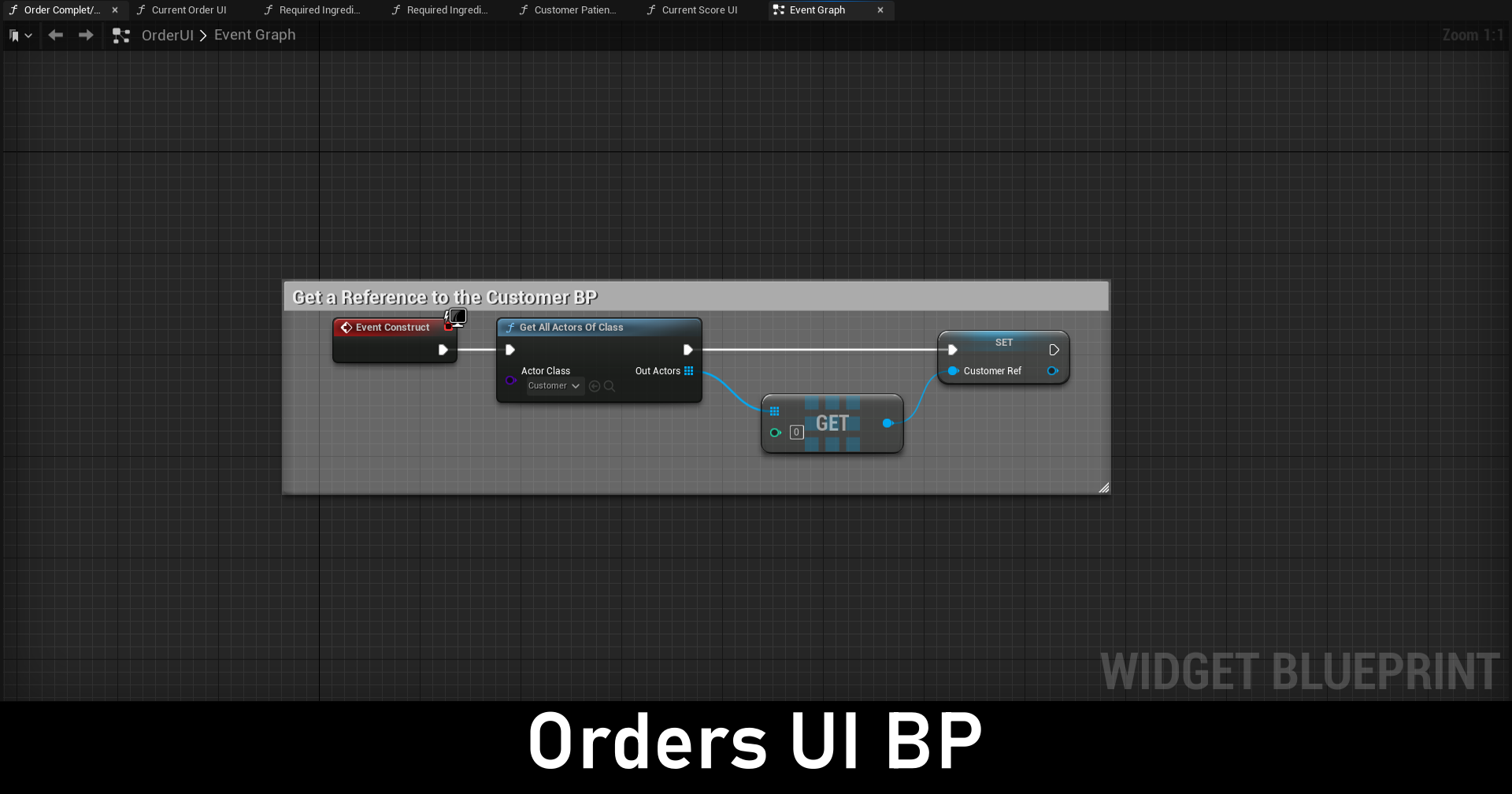
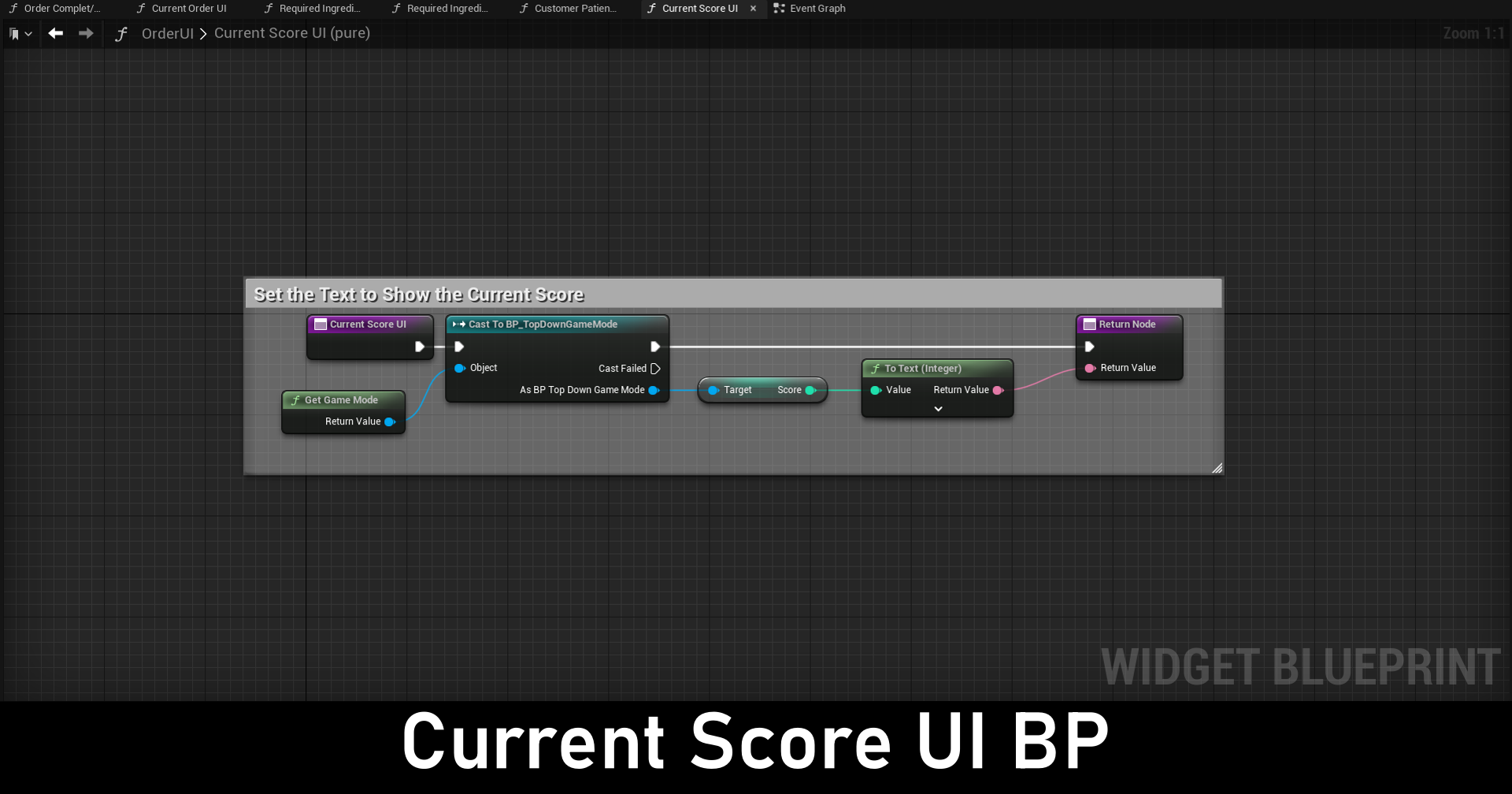
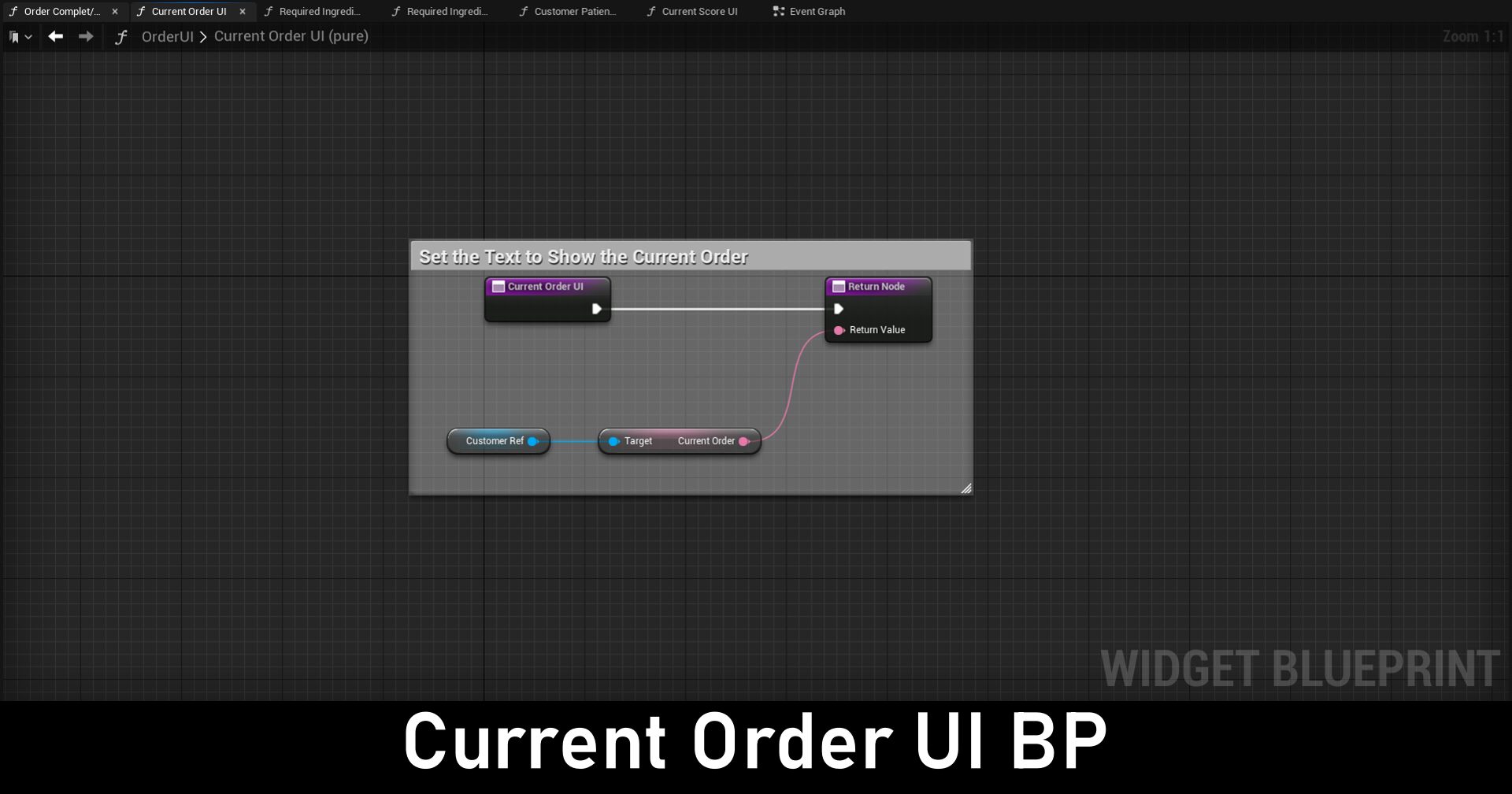
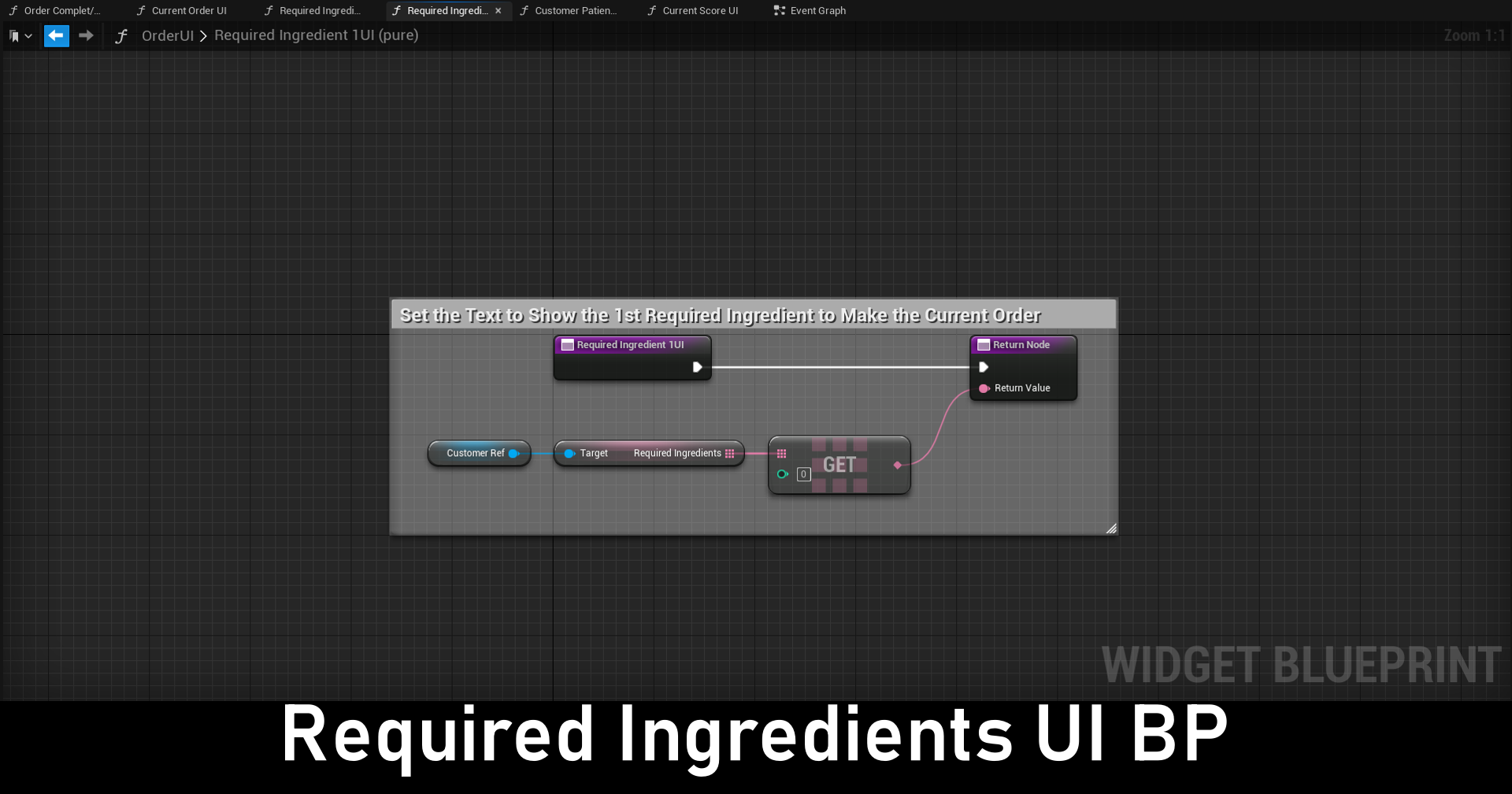

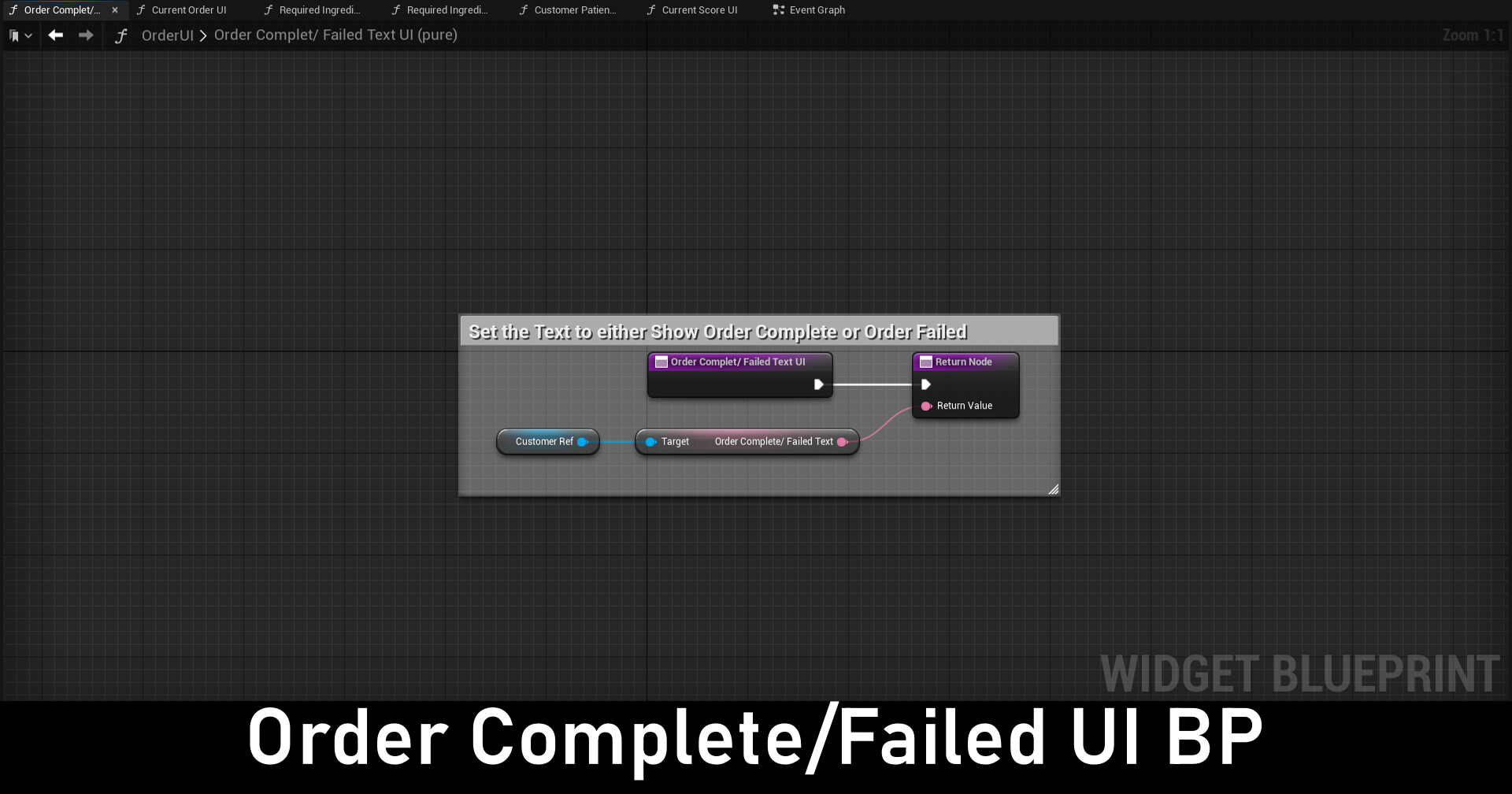
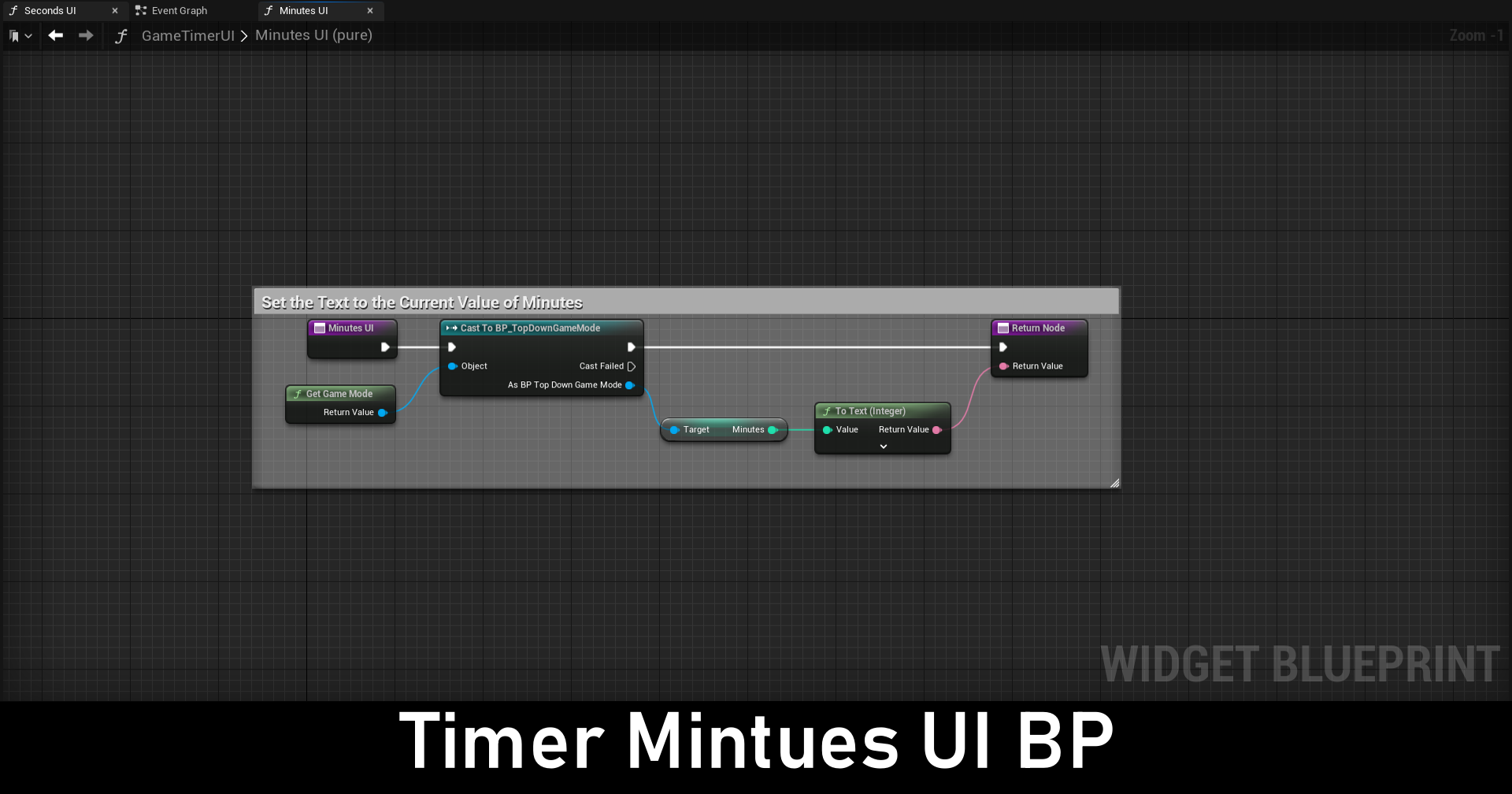
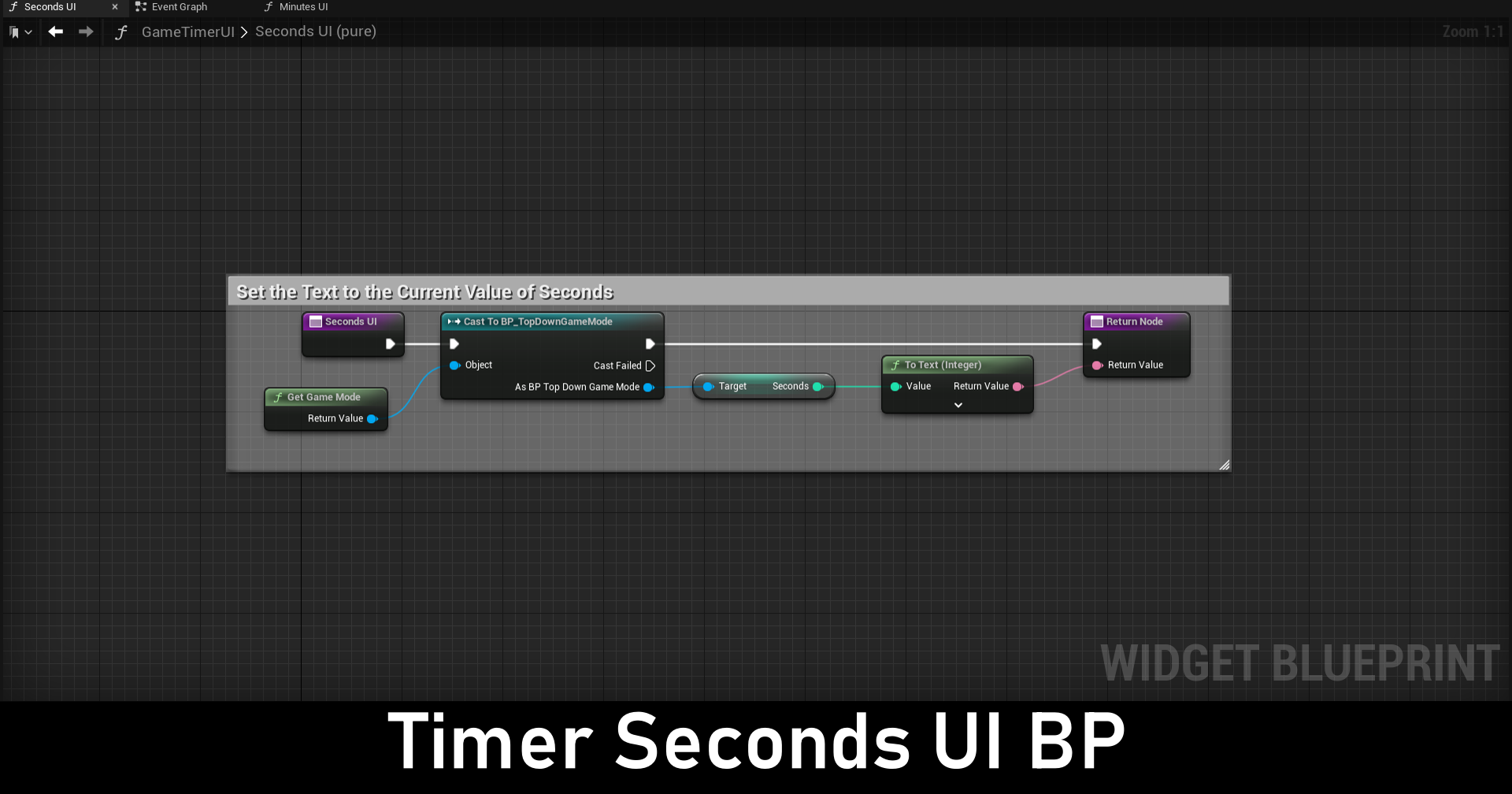
Finally, the UI Blueprints comprise of Widgets which display all essential information required by the player (Current Score, Required Ingredients, Game Timer etc.). The Progress Bars for Appliances are also calculated and displayed using Widget Blueprints that update the player on the progress of Preparing Ingredients, Cooking Meals and the Customers’ Patience for each Order.
User Testing
Throughout the development of the product, I conducted User Testing of 2 varieties. The first gathering data on the User Requirements of my target audience and the second being the testing of builds of the template collecting data regarding any present bugs within the product, User opinions on systems, mechanics and UI elements and the testing of the product’s effectiveness in achieving its intended purpose and satisfying User’s Requirements.
User Requirements Analysis
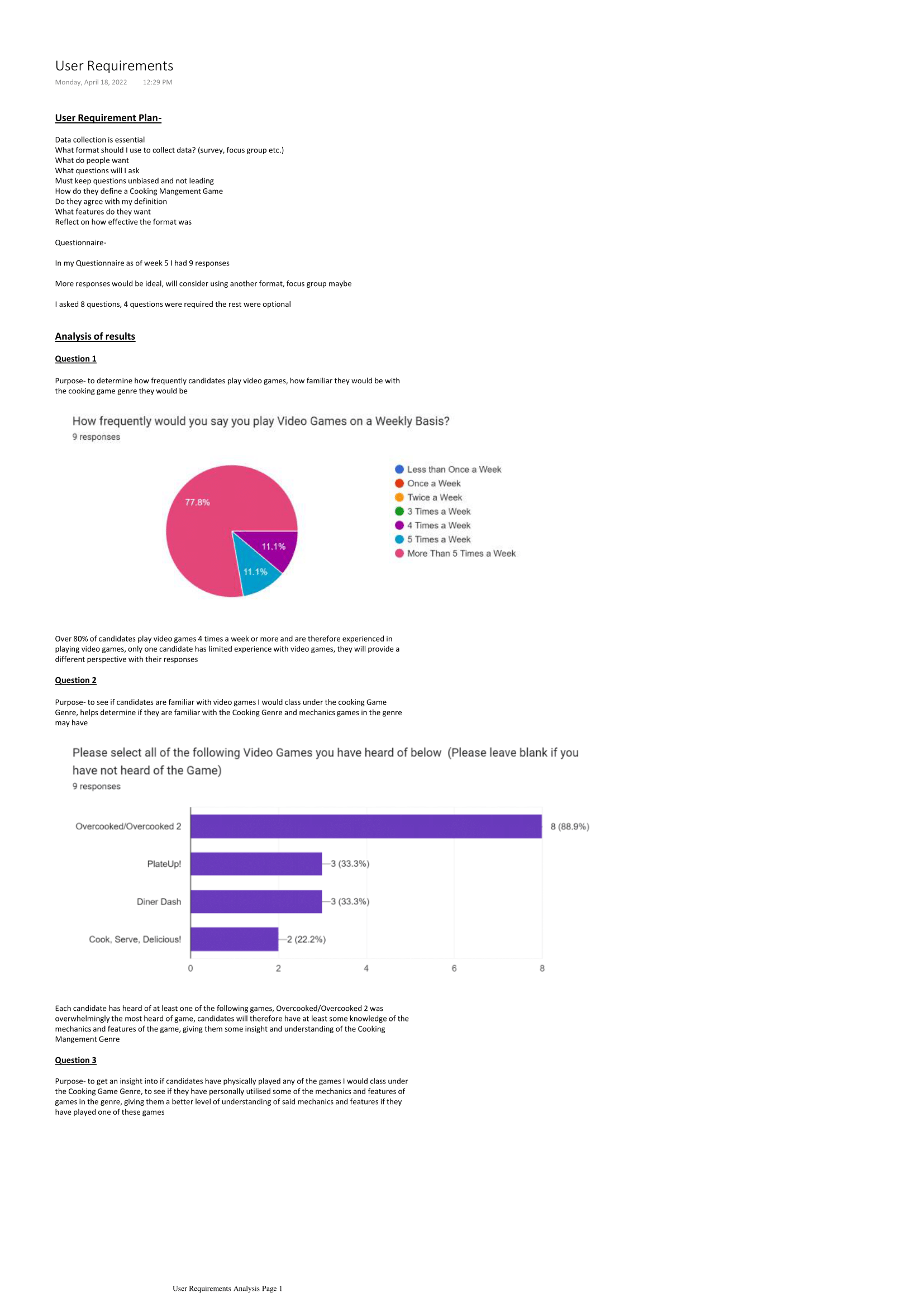
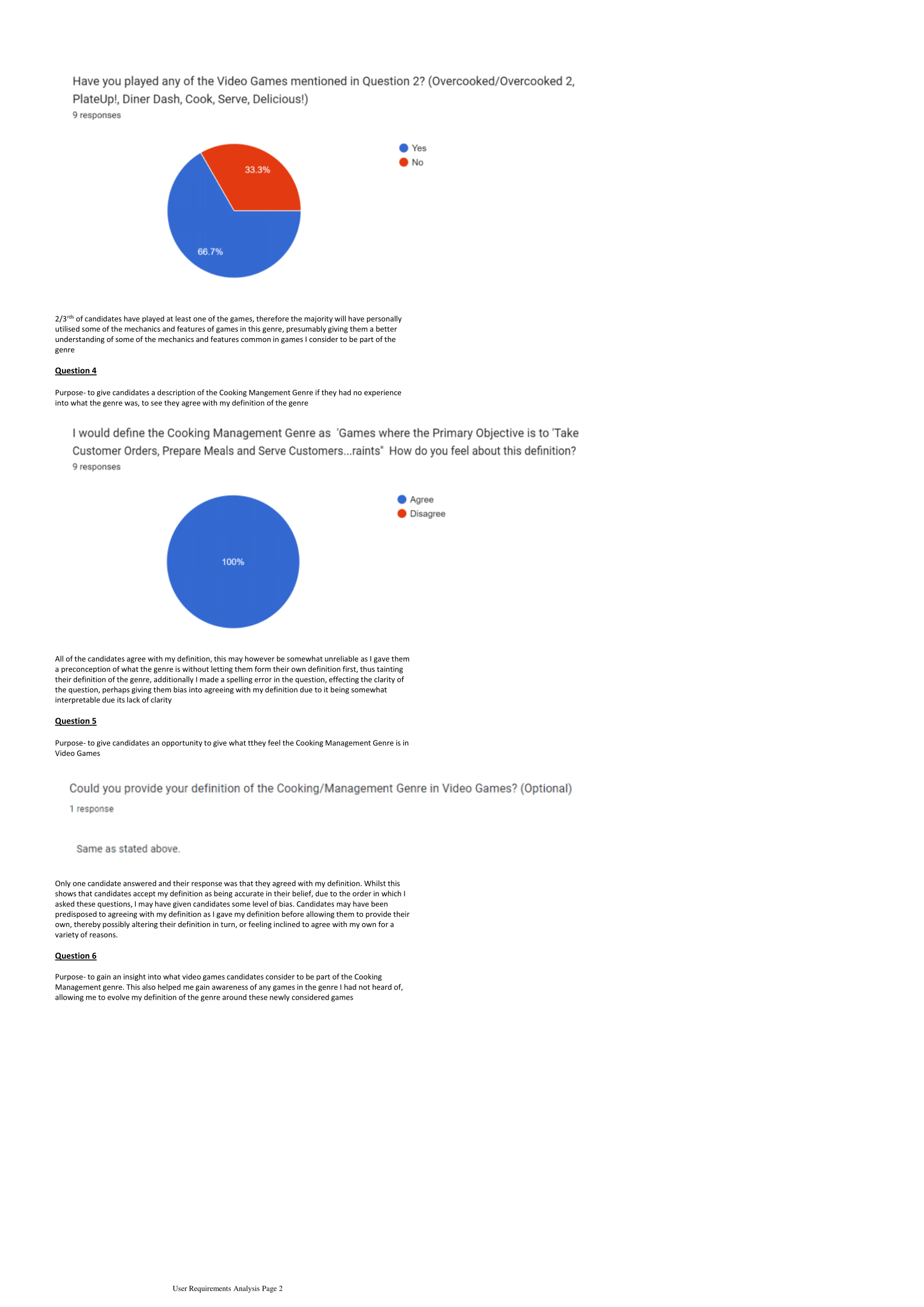
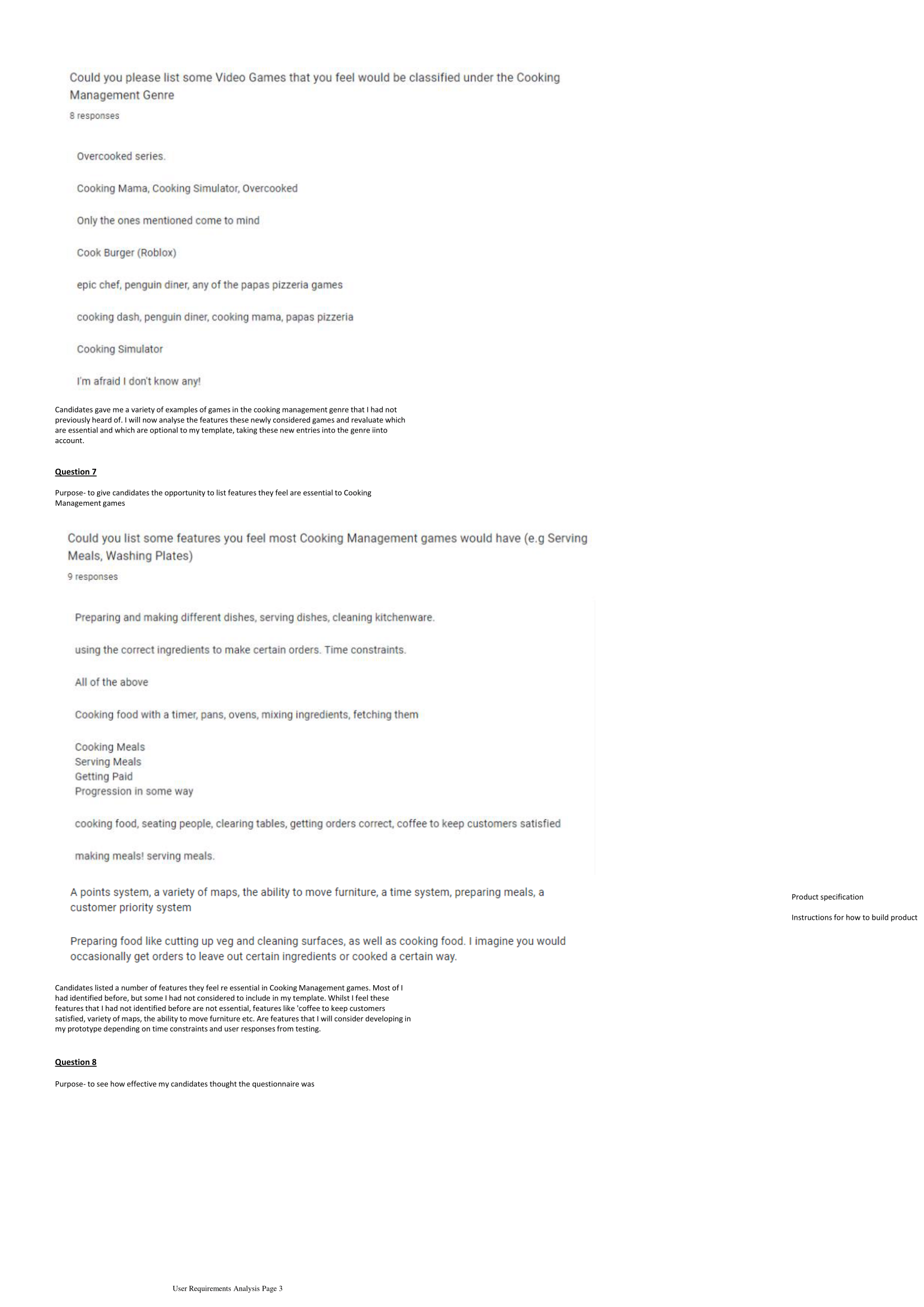
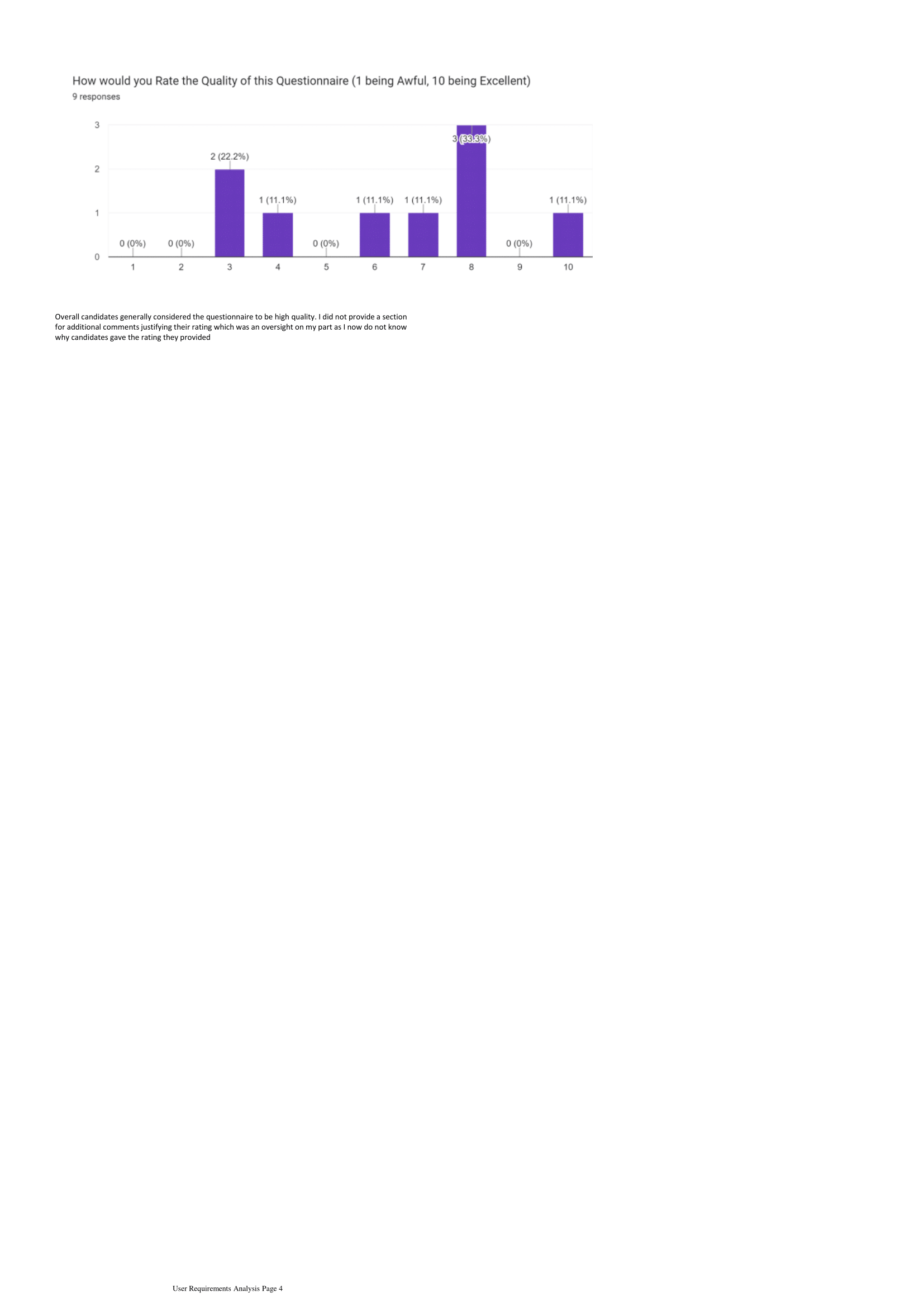
Before starting development on the project first conducted research on my target audience to deduce what their requirements for the template would be. I treated a survey using Google Forms that recorded candidates’ feedback on questions I asked. questions ranged from their personal definition of the Cooking Management Genre, what core features a game of that genre would include in it, if they agree with my definition of the genre and what features I believed a game in the genre would include and more. The results from said survey guided the design of the project with features and systems being added or removed based on the feedback of my target audience.
User Requirements Documentation
Testing
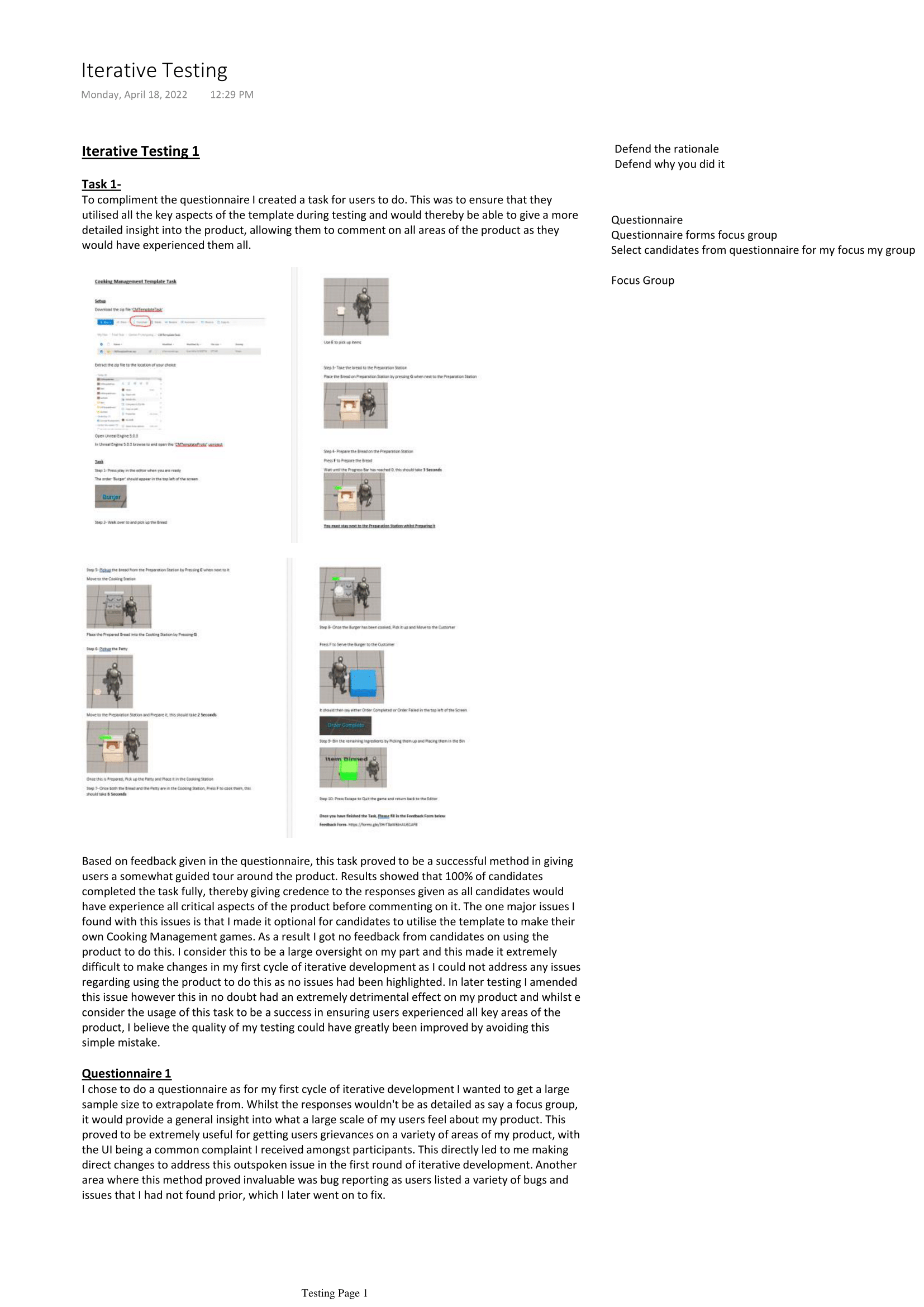
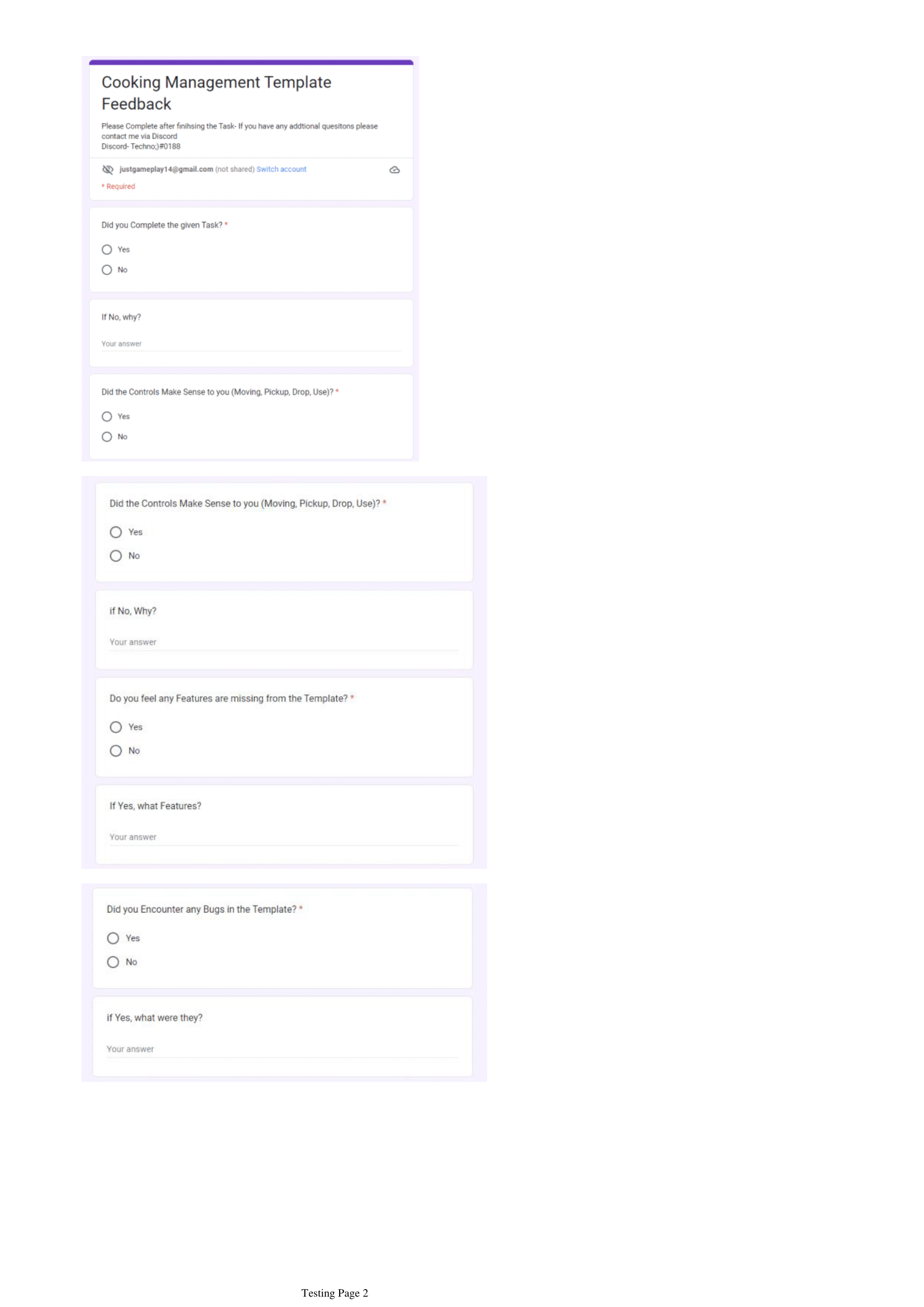
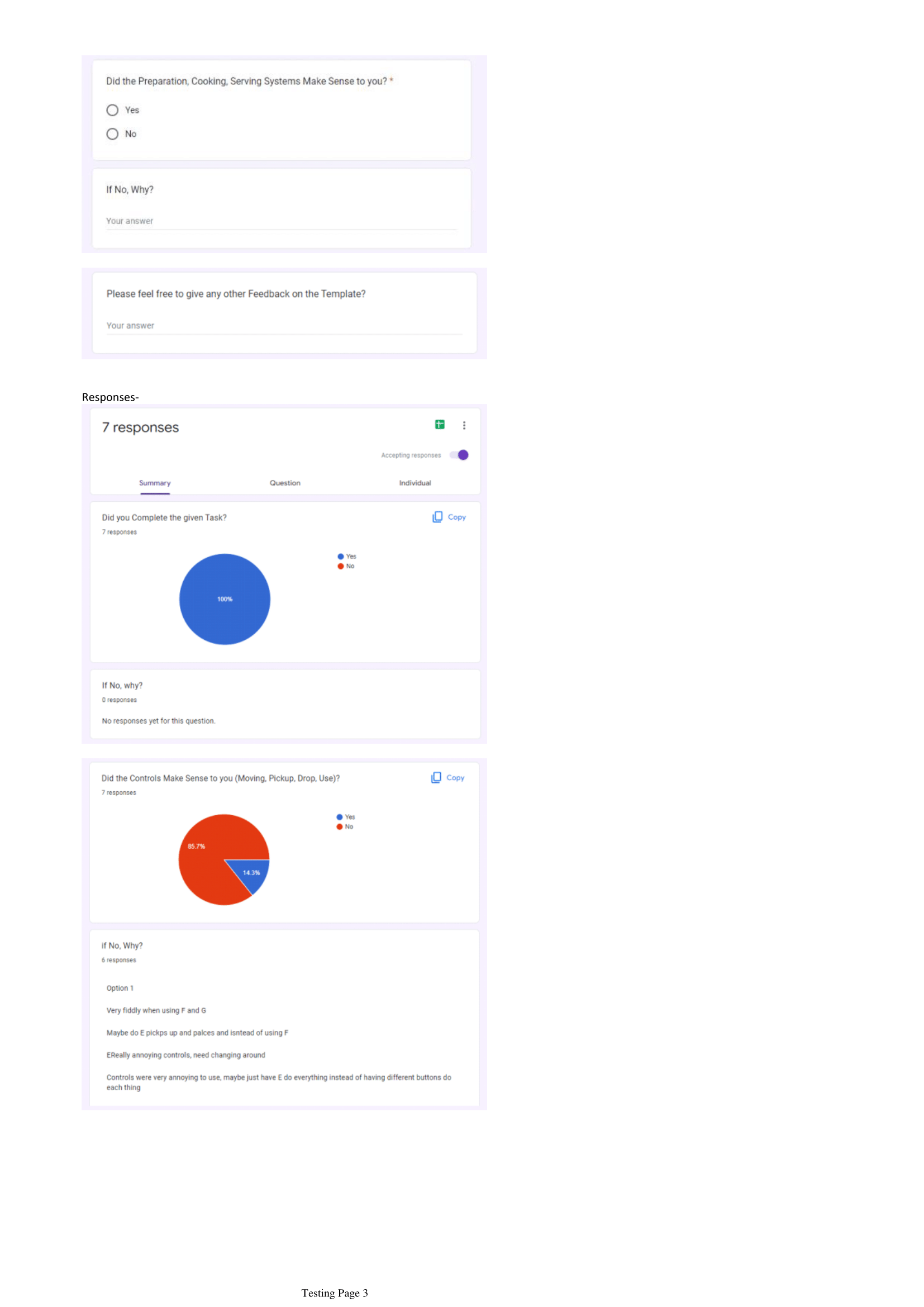
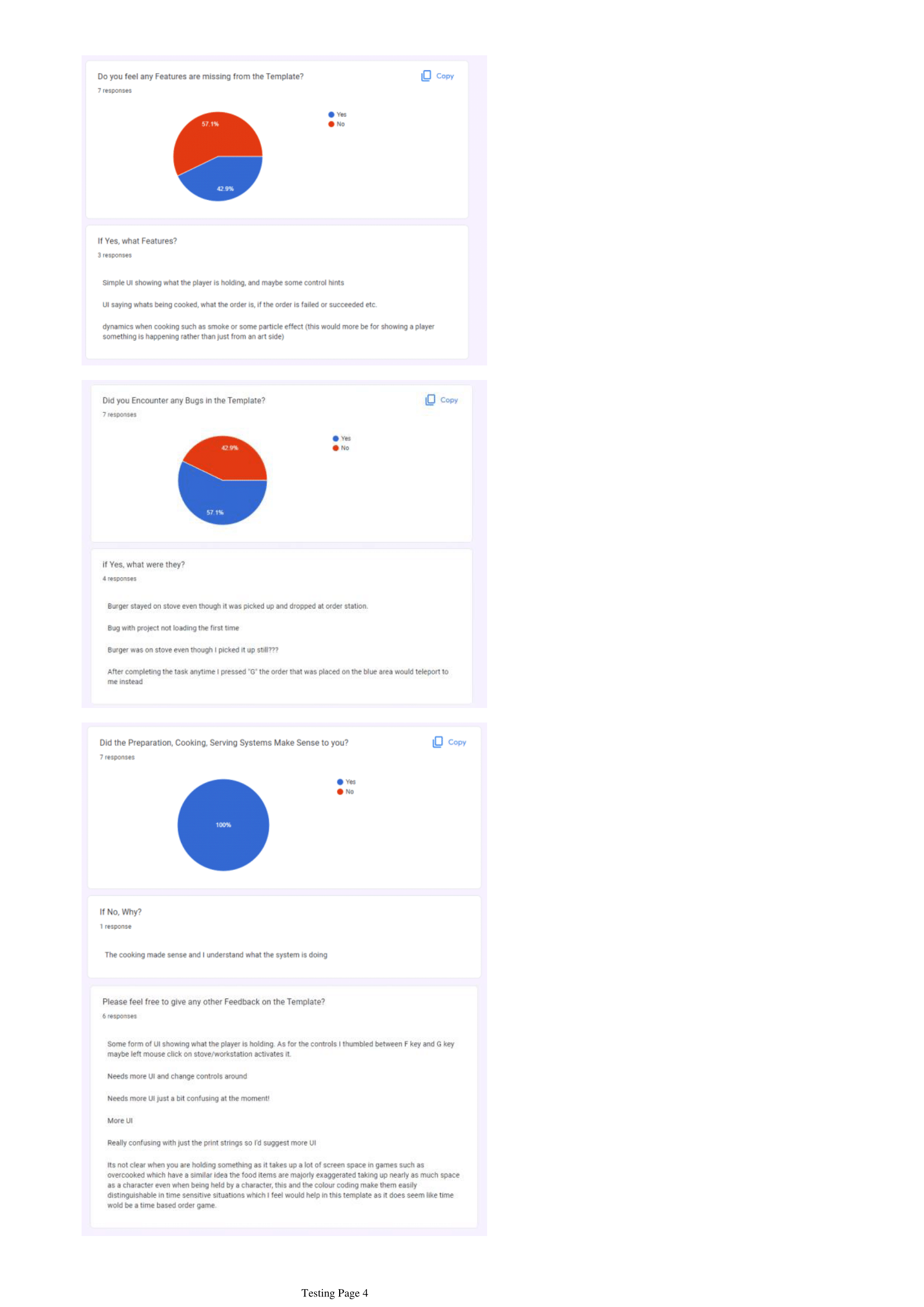
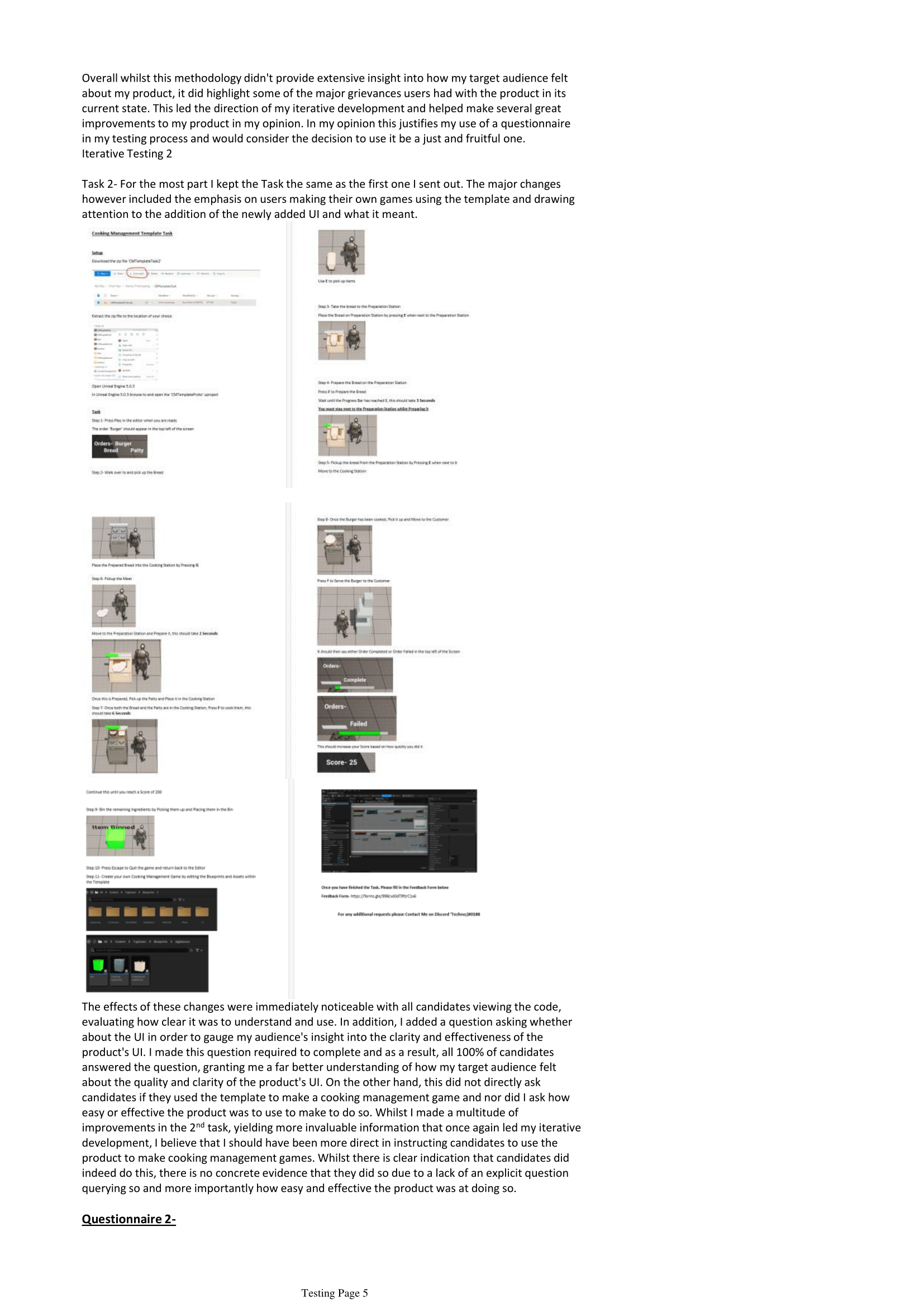
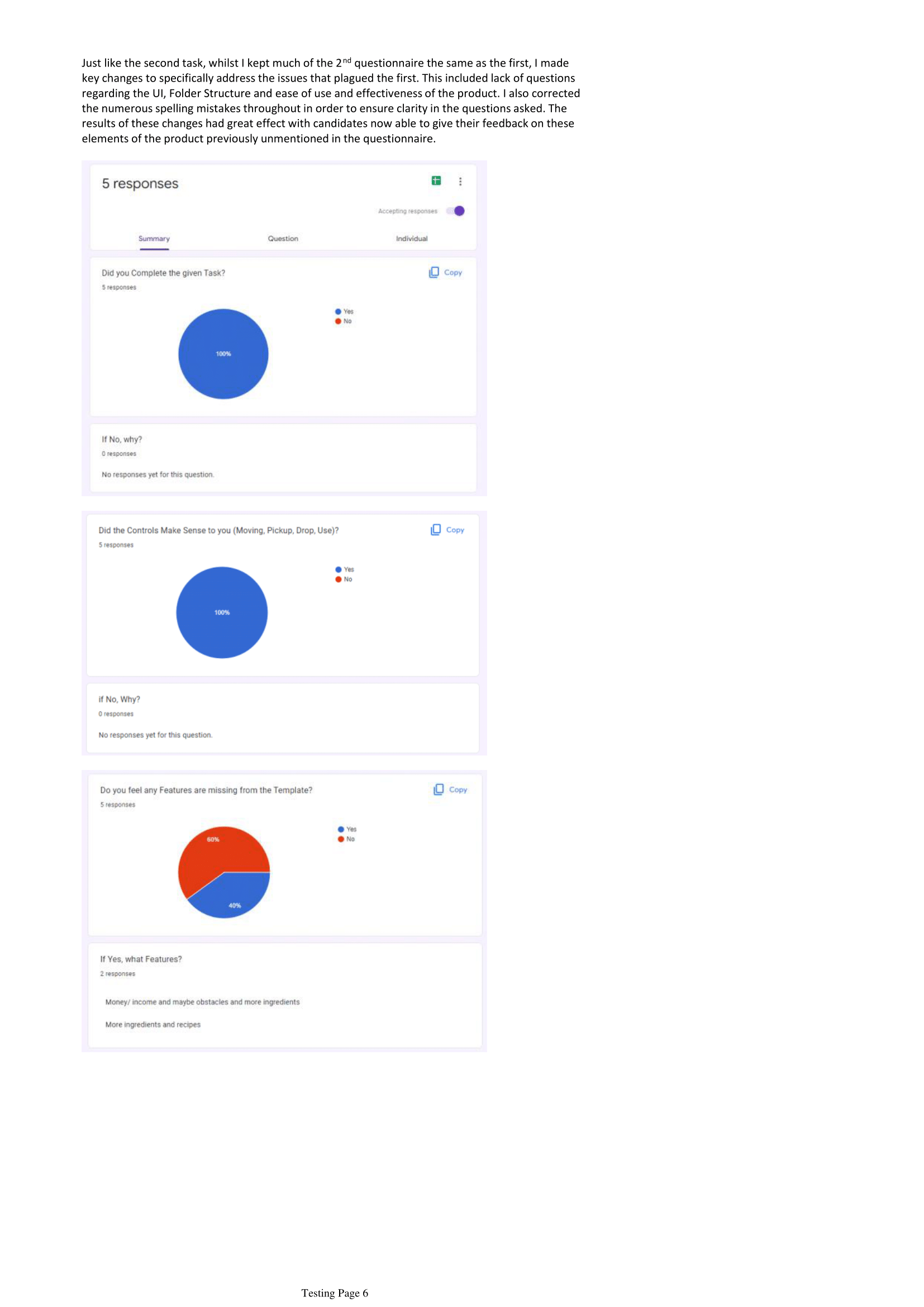
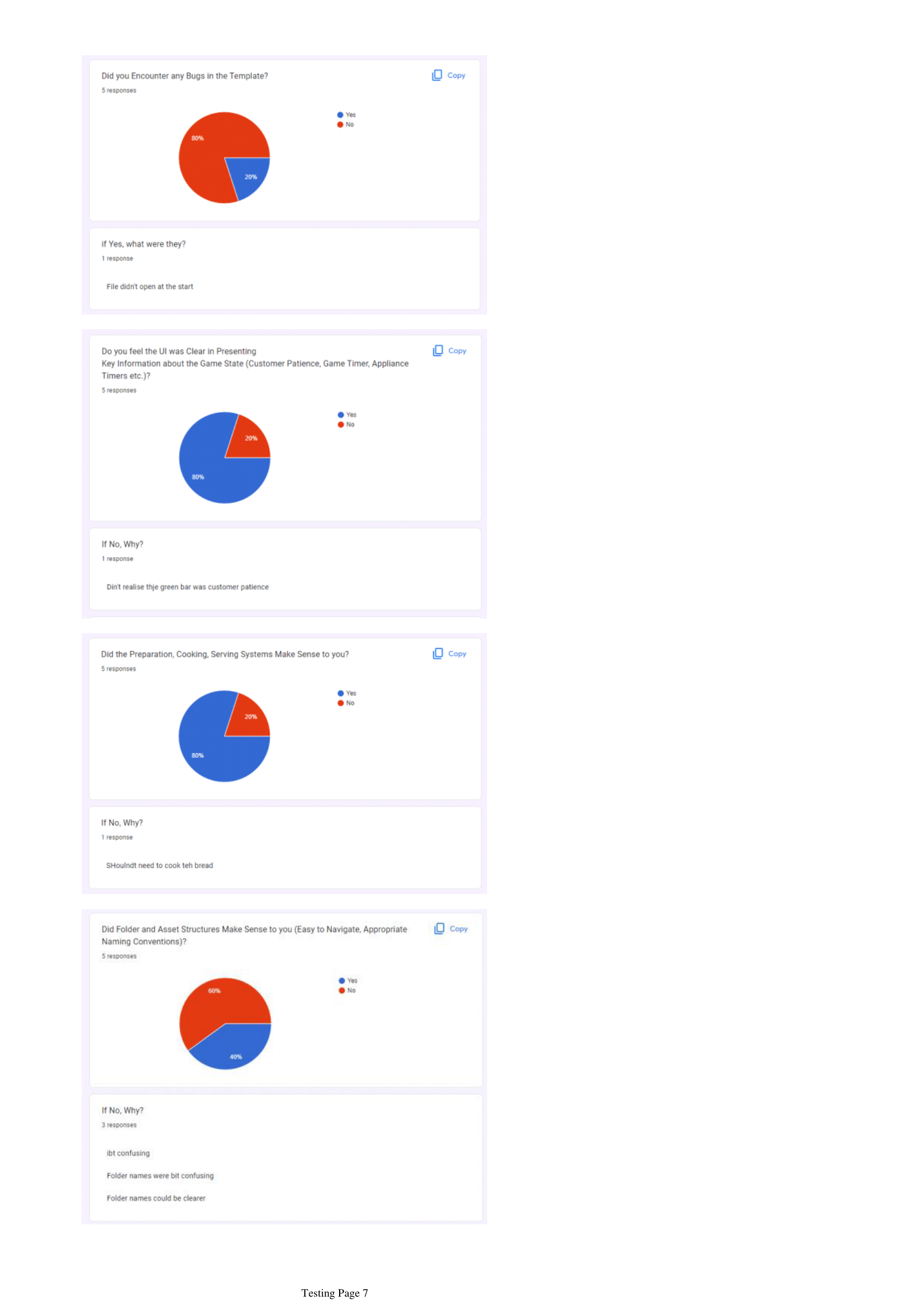
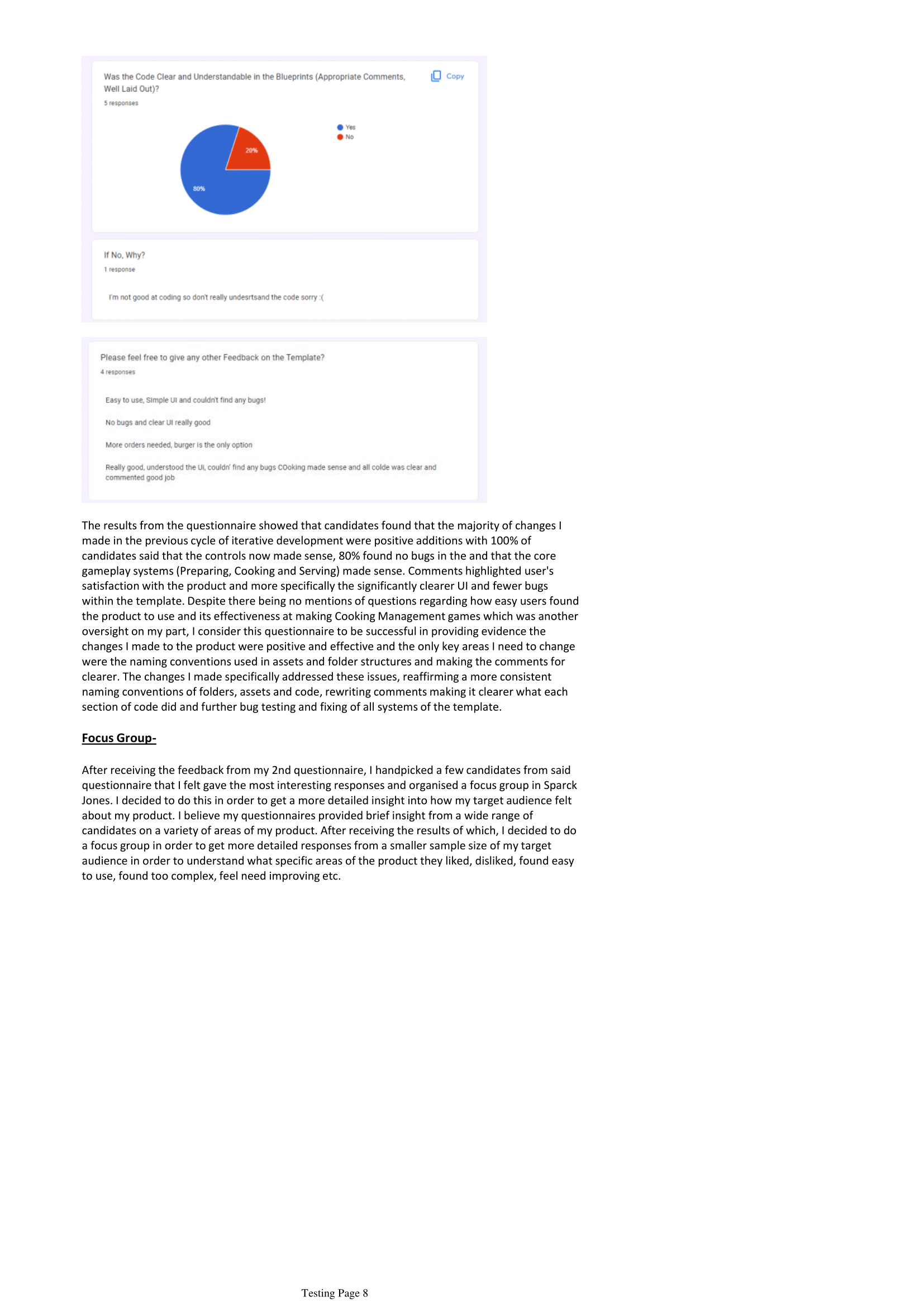

After the first complete build of the template was developed, I began a process of Iterative Development and Testing. In this approach for testing, I developed a Task Sheet giving them a list of instructions to follow, explaining how to utilise the template and its key features and mechanics. Users were guided through the core game loop of the project thereby ensuring candidates would use all the key features of the project for their intended purpose. After completing this list of instructions, Users were given the final task of inspecting and editing the Blueprints of the template, encouraging them to create their own Cooking Management game using the product. After receiving the results of each test I would then develop and tweak the product iteratively based on candidates’ feedback. After making these changes to the template I would repeat this process a number of times, creating this Iterative Development cycle.
Testing Documentation
Product Documentation
Throughout the development of the product documented all my progress utilising Microsoft OneNote. This documentation includes key research in the Literature Review and Technical investigation Sections, detailed plans of the key content of the project in the Product Specification Section, an extensive development log of the key challenges and solutions I encountered during all stages of development of the product and more.
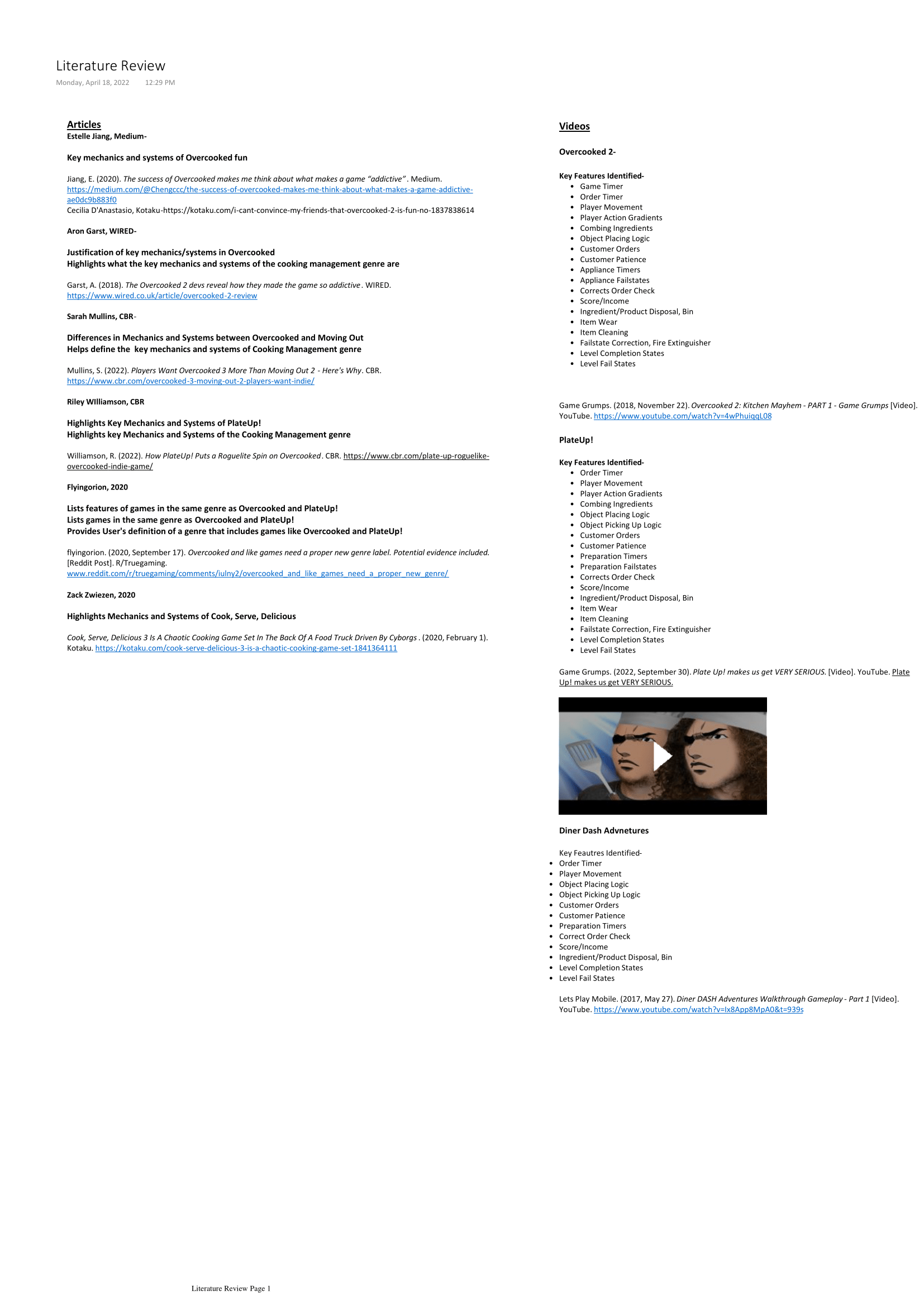
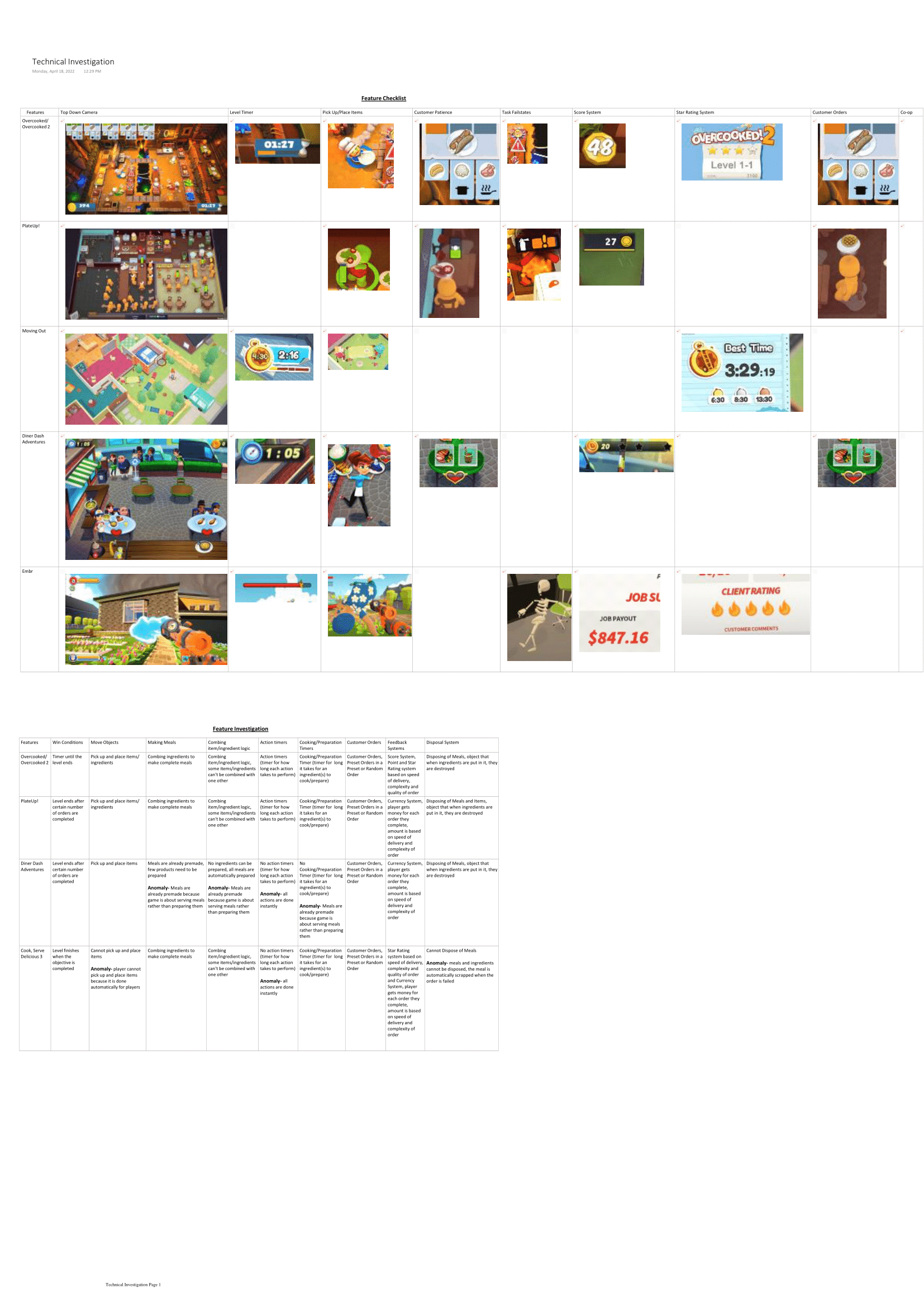
Literature Review and Technical Investigation
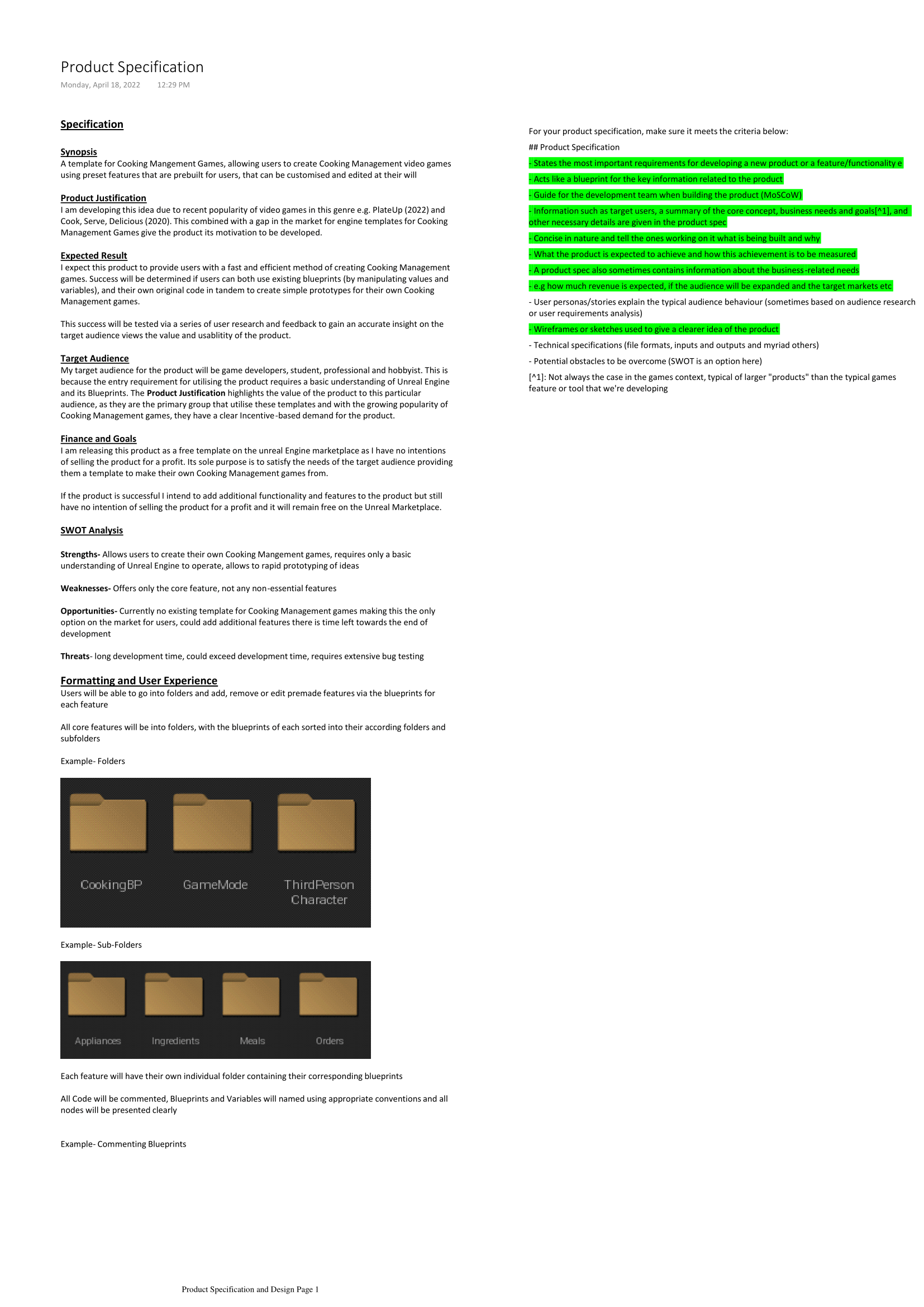
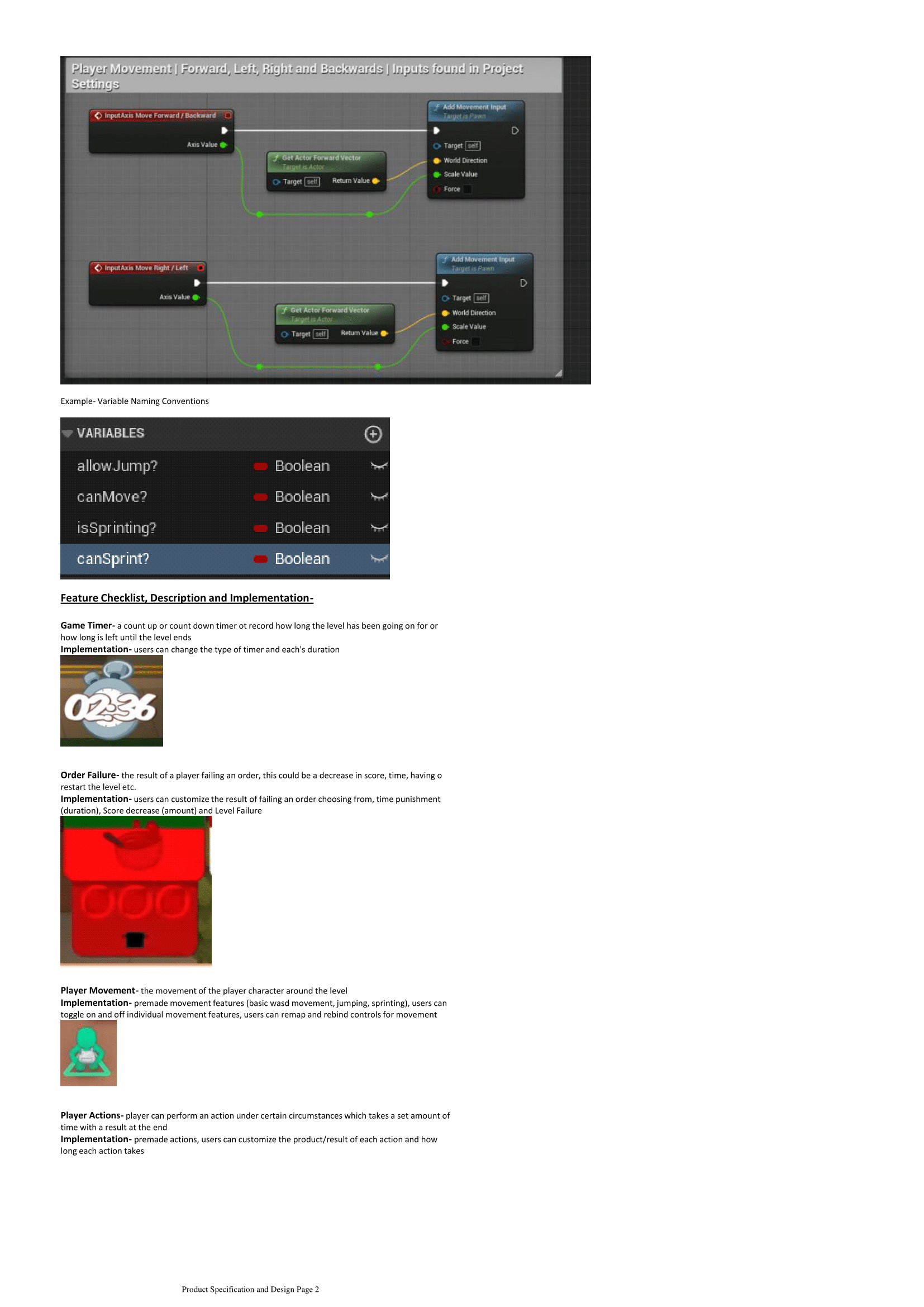
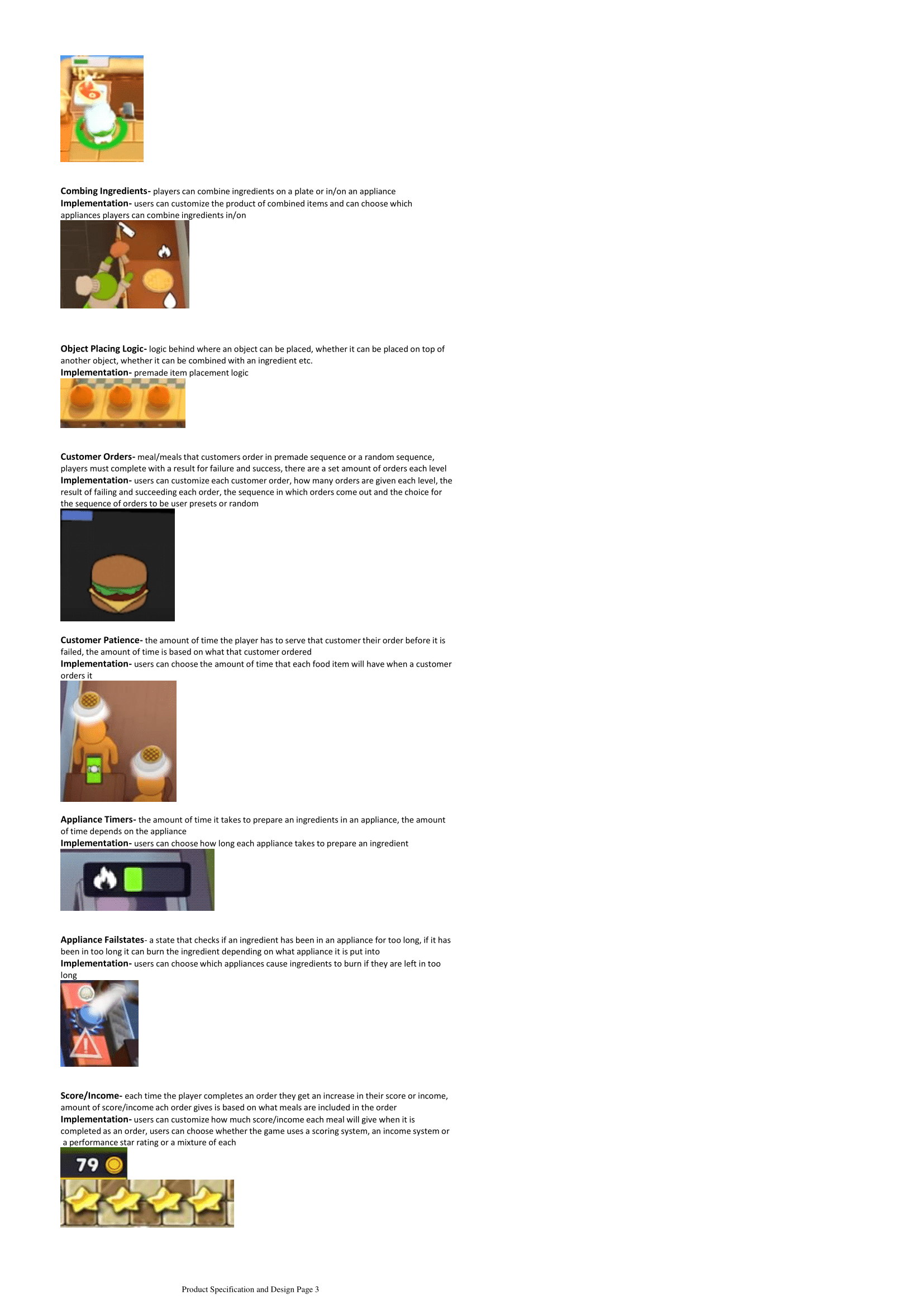
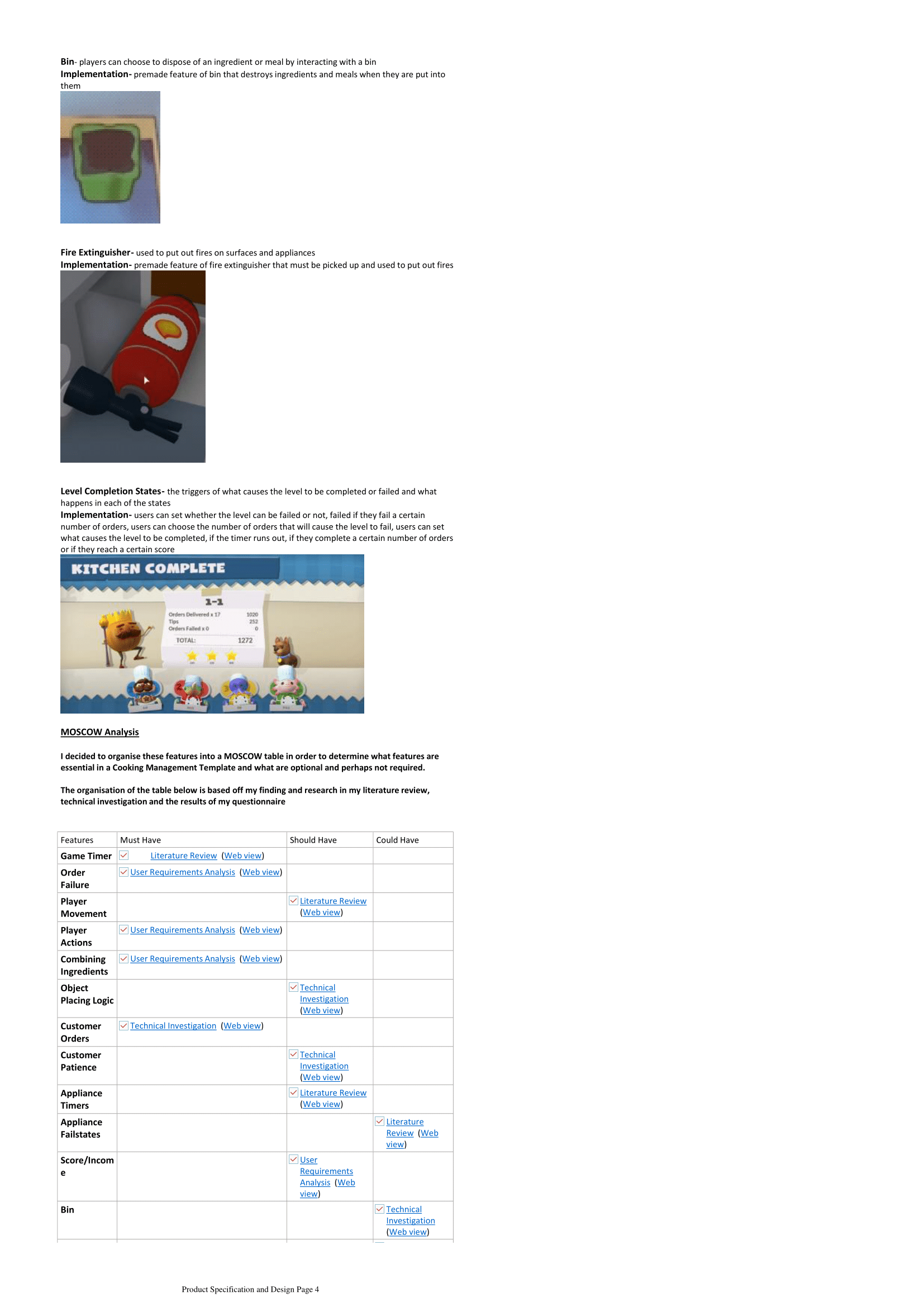
Product Specification
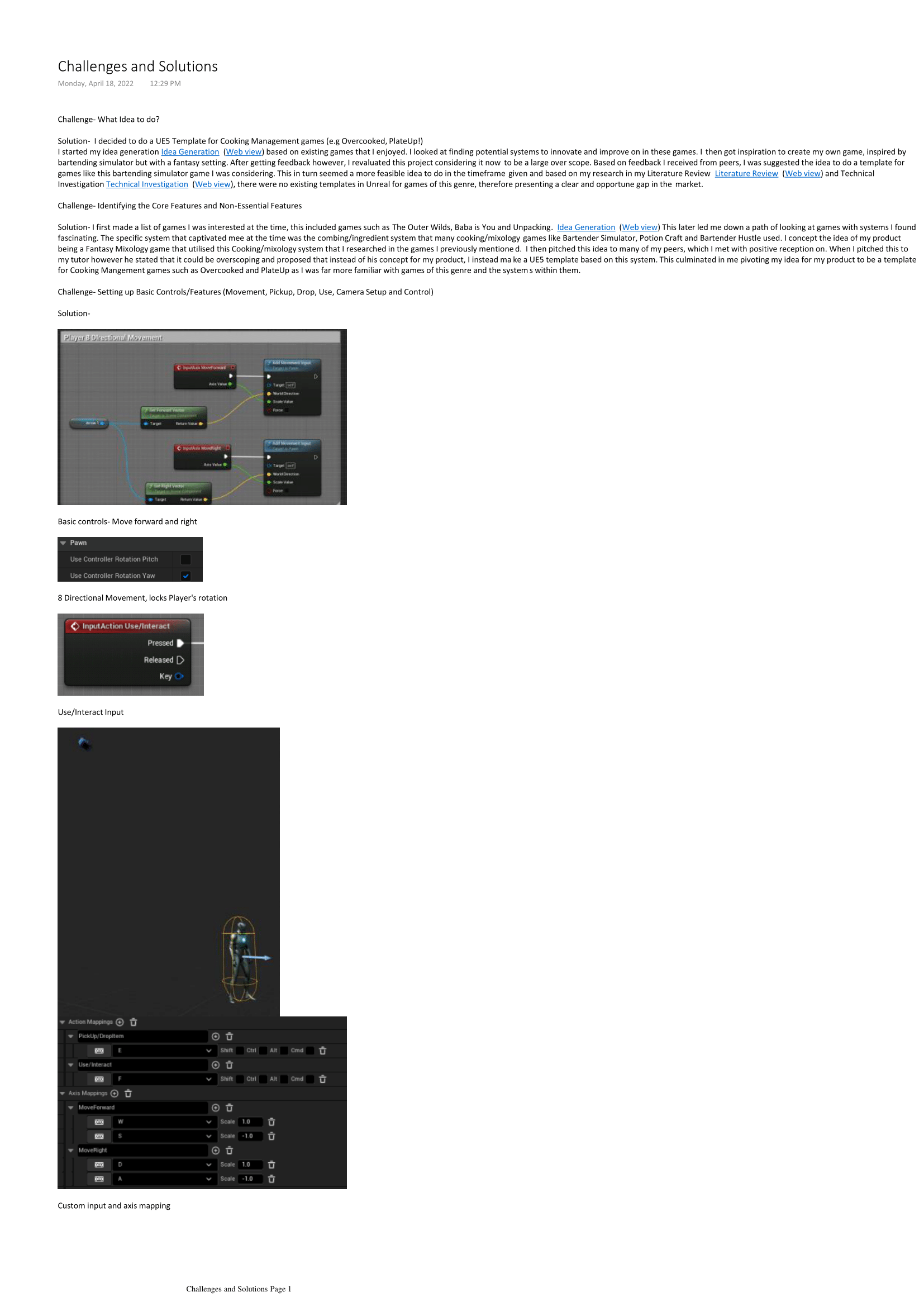

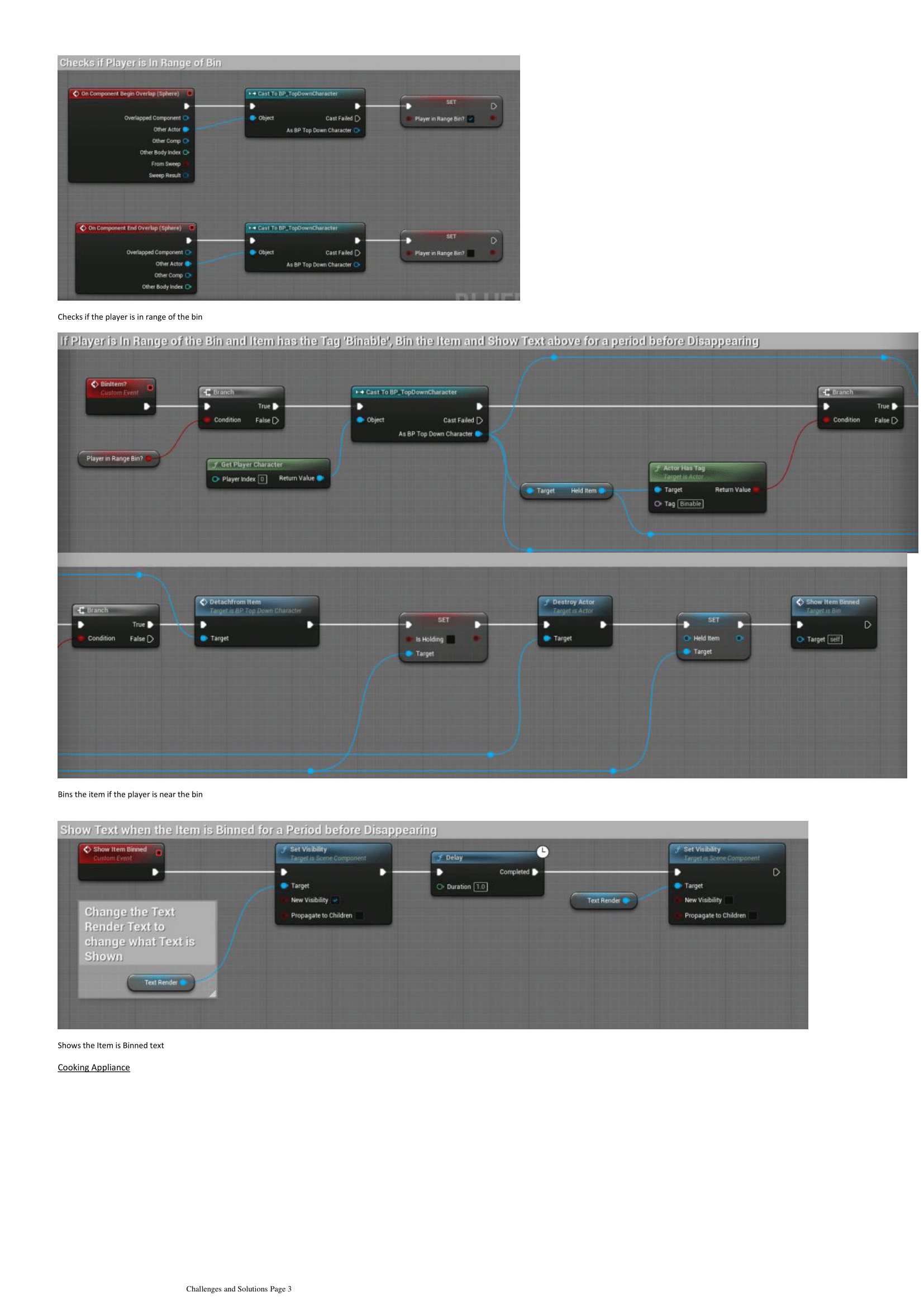
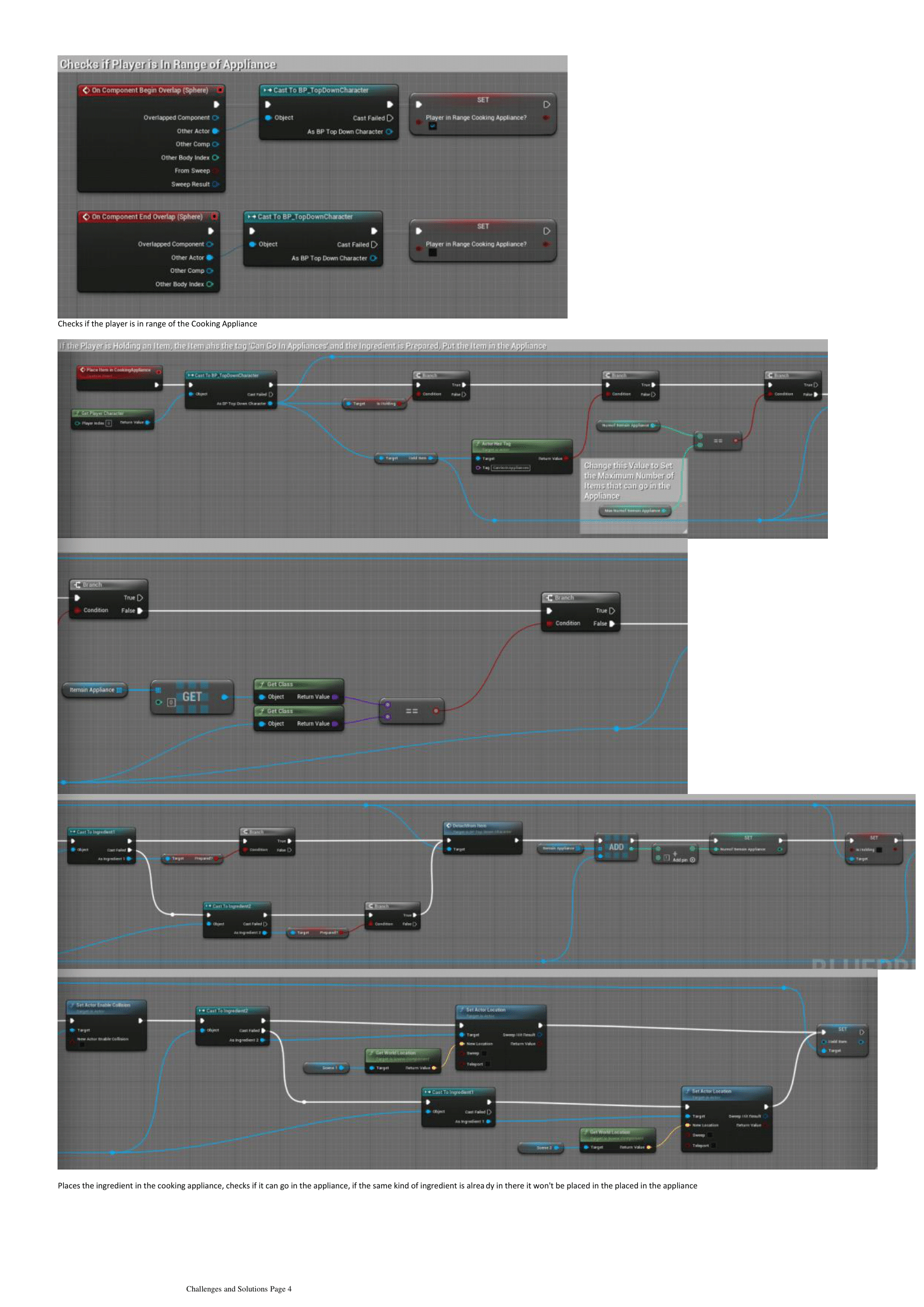

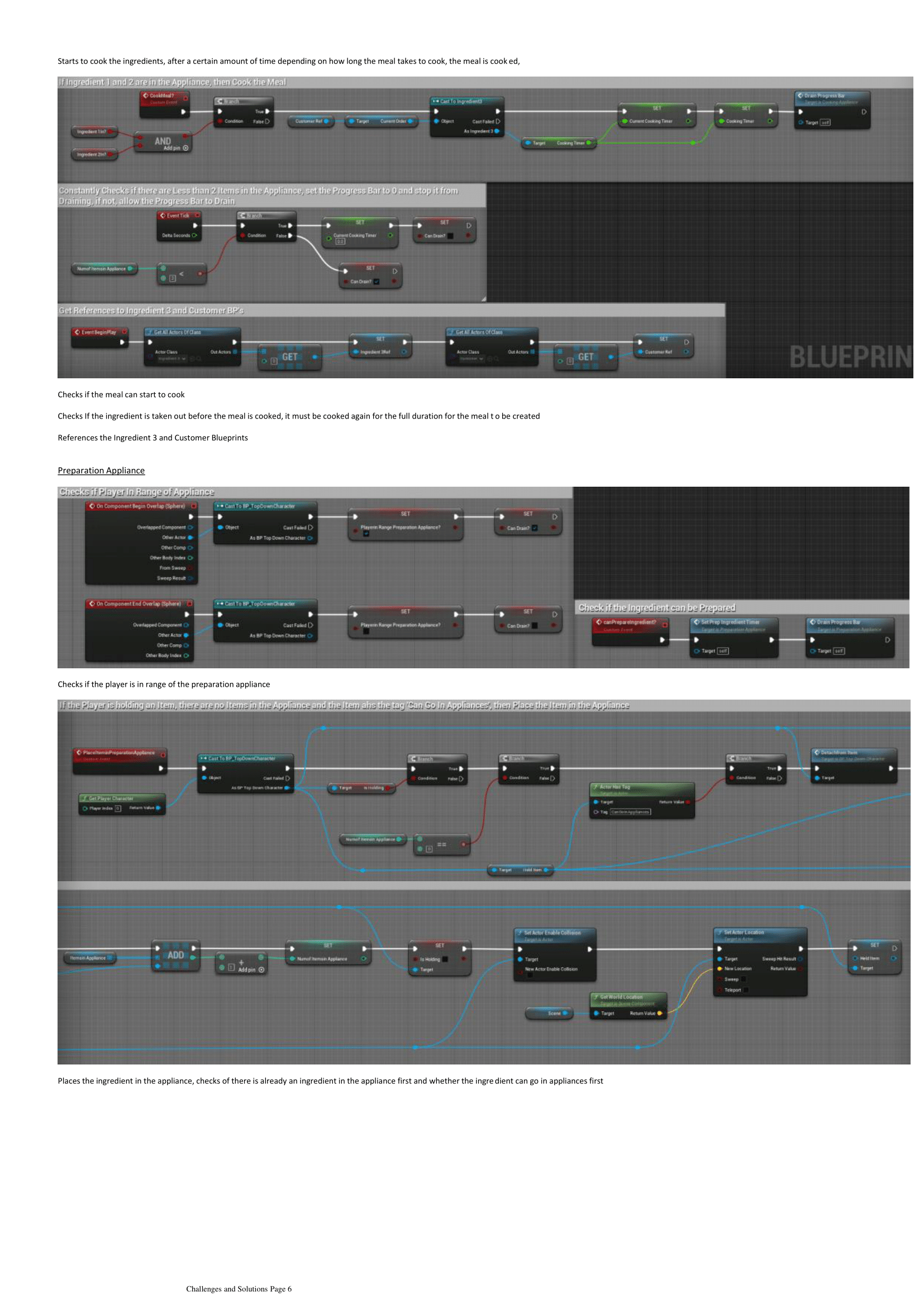
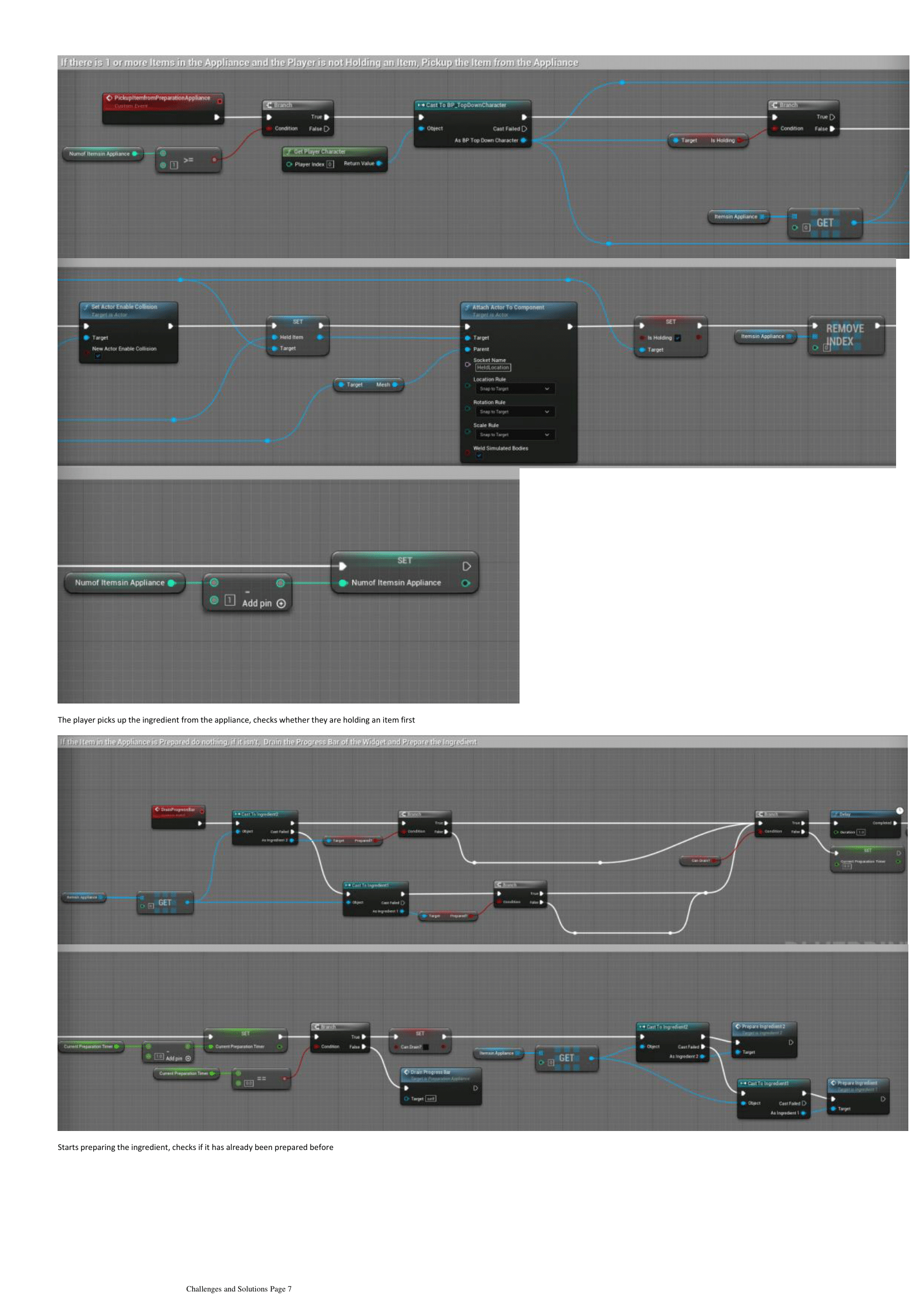
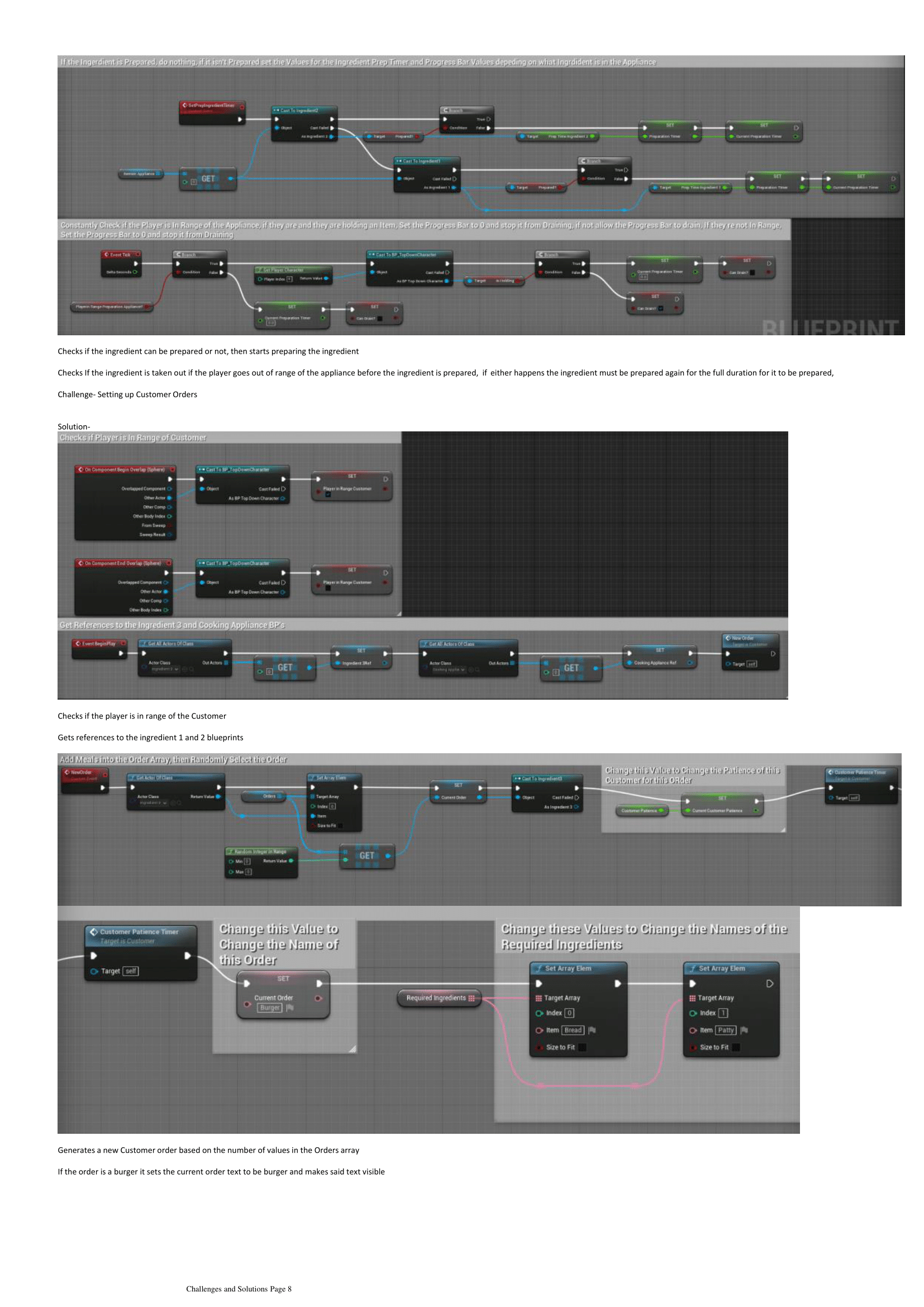
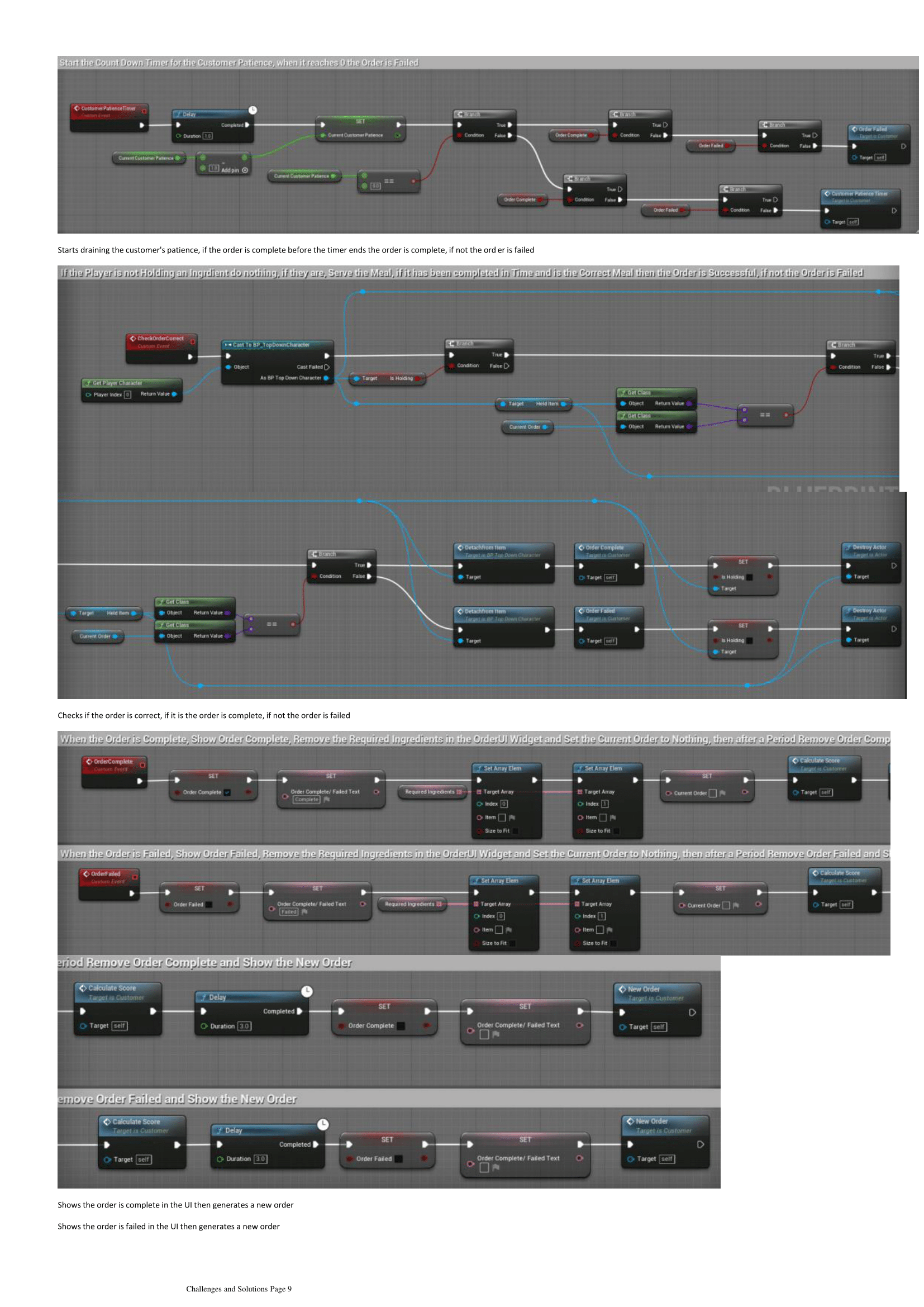
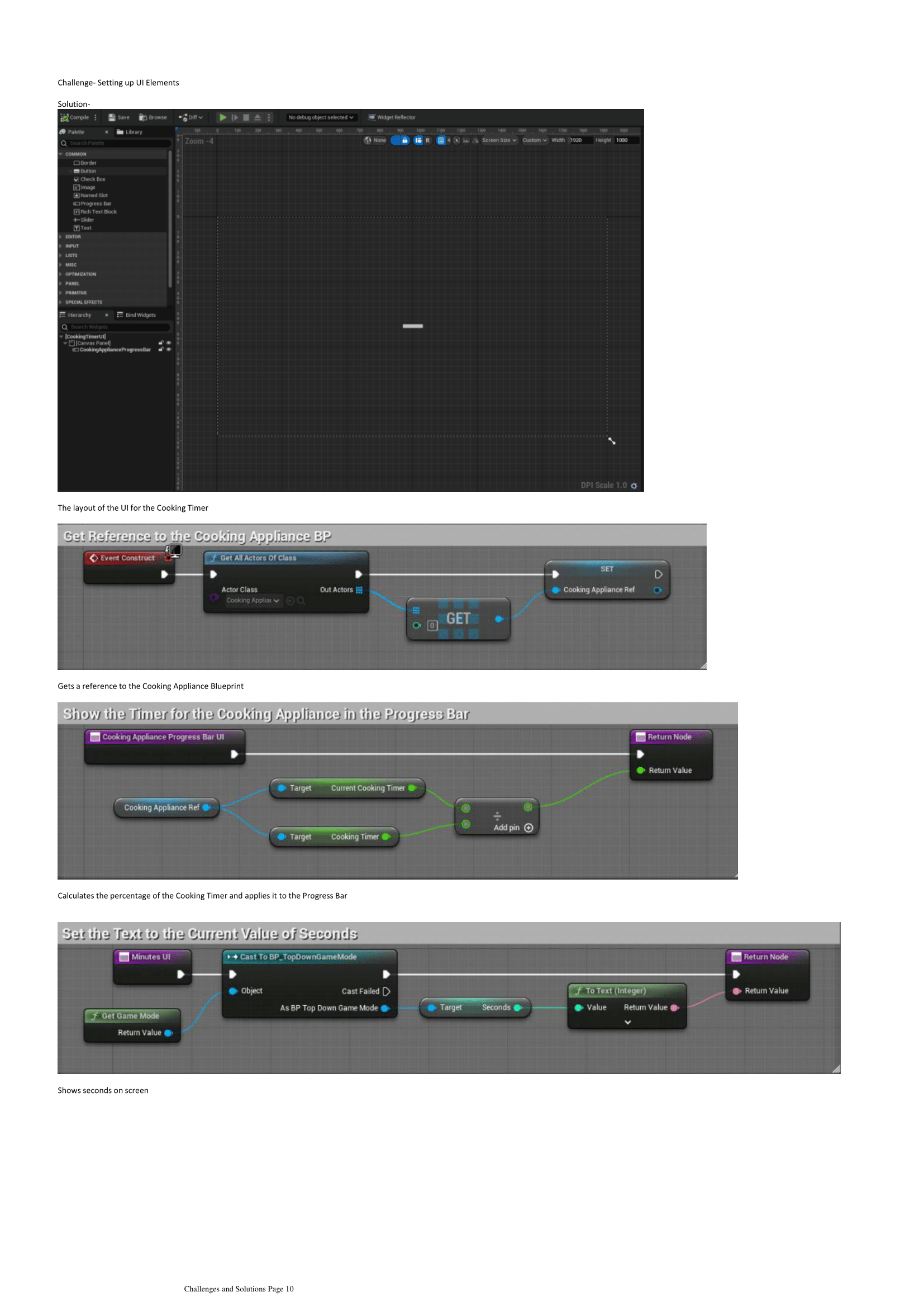
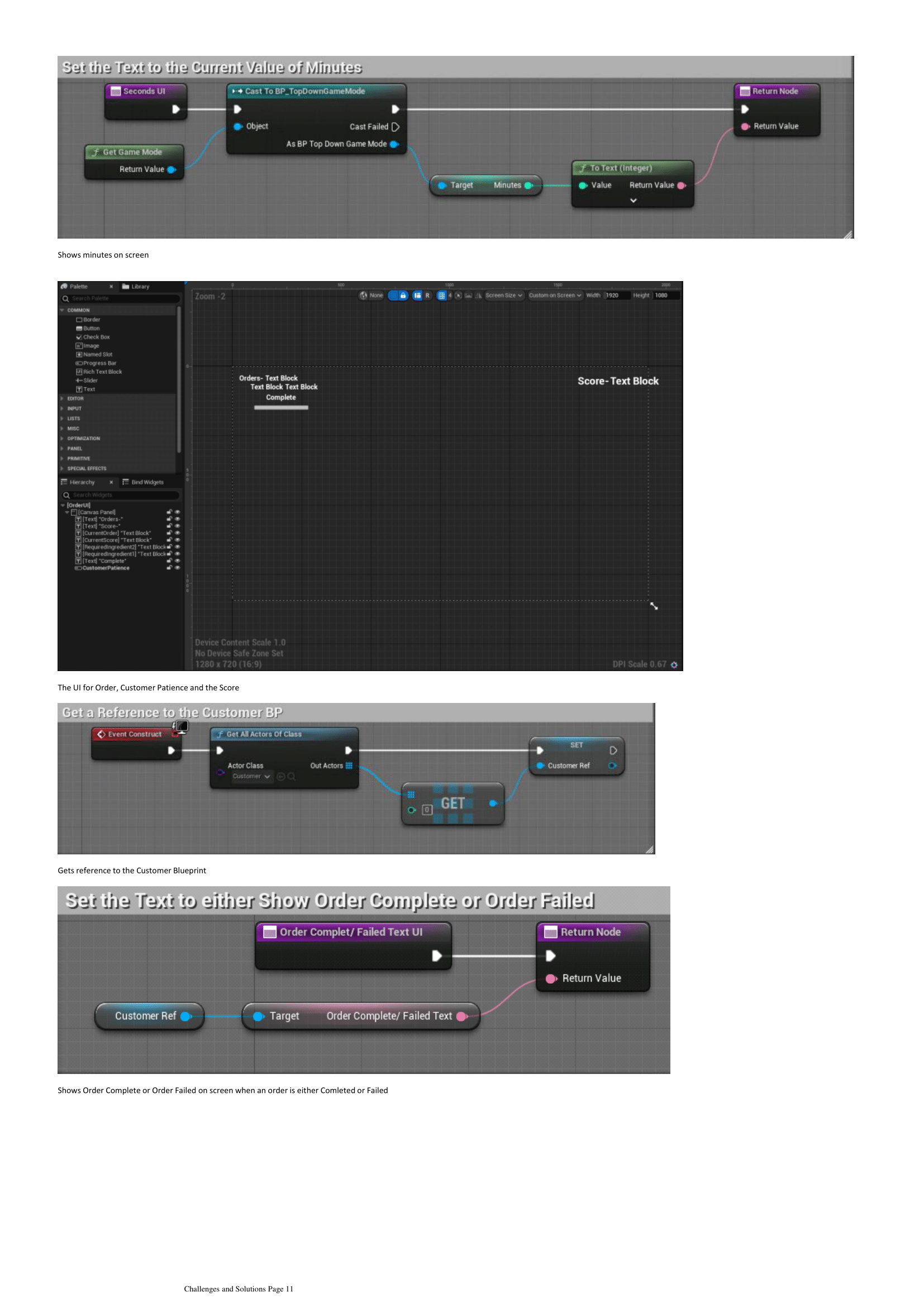
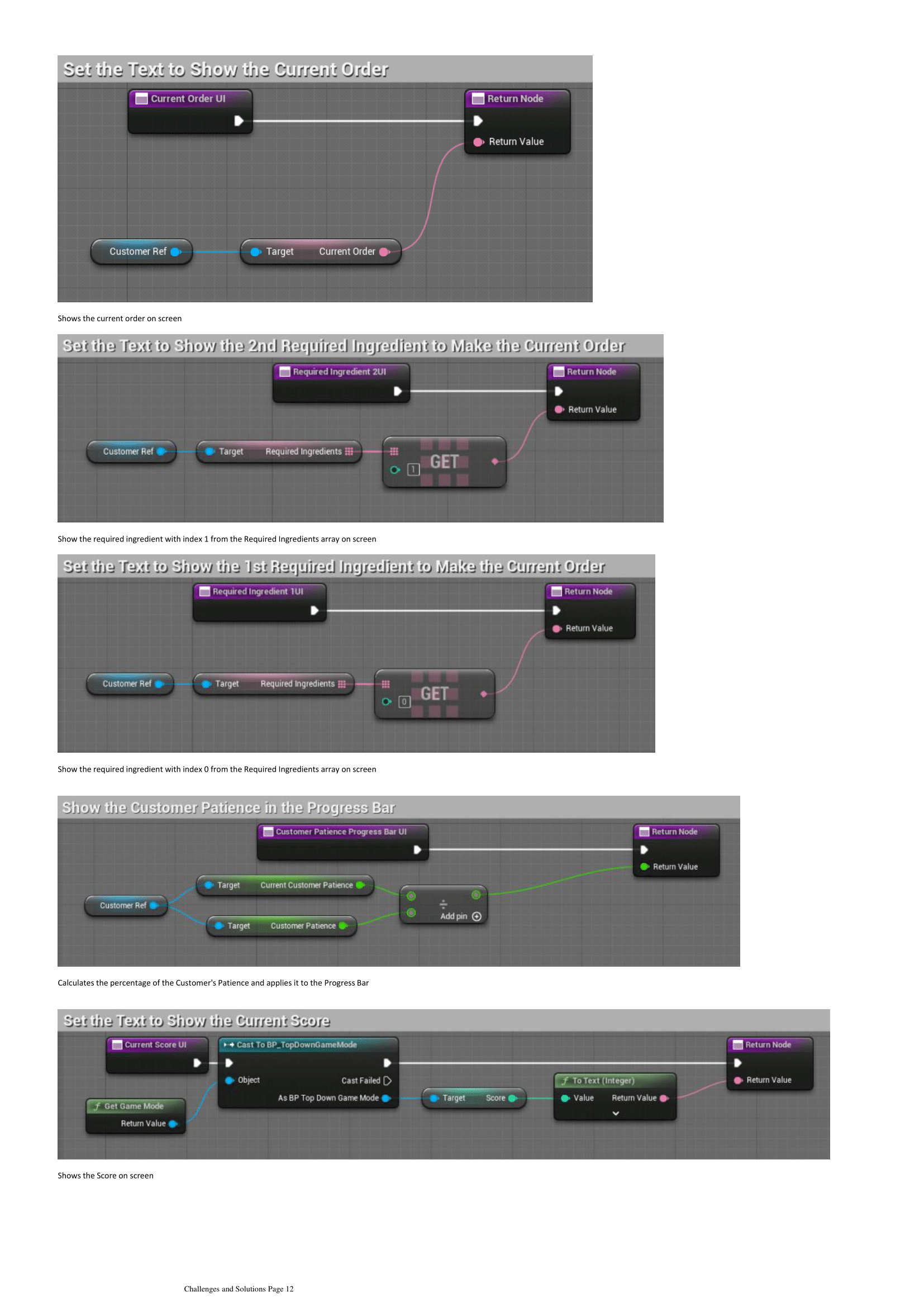


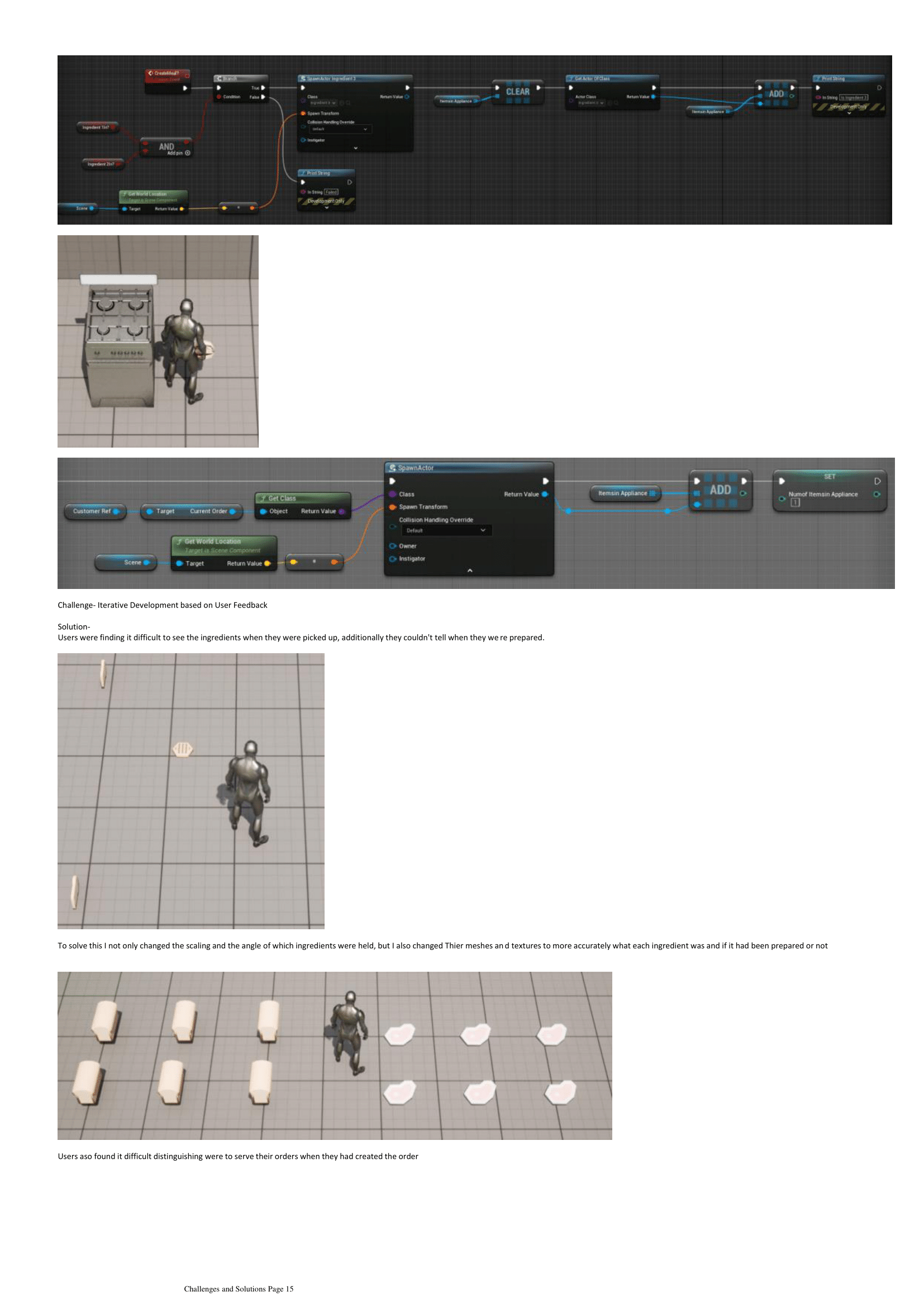
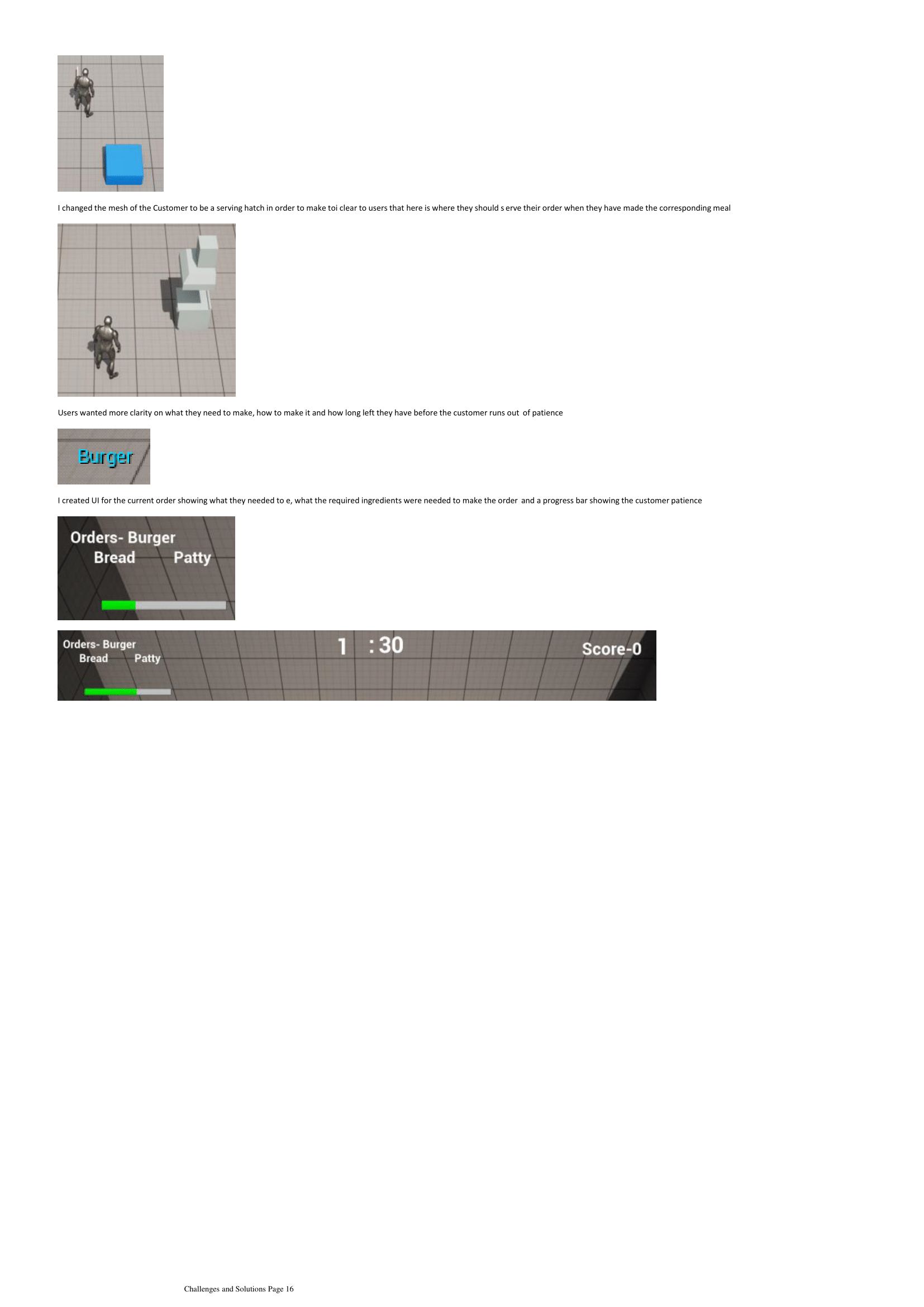
Challenges and Solutions
Full Product Documentation
 Ewan Miller Game Designer Portfolio